


Riess
- LandAustria
- MaterialEnamel
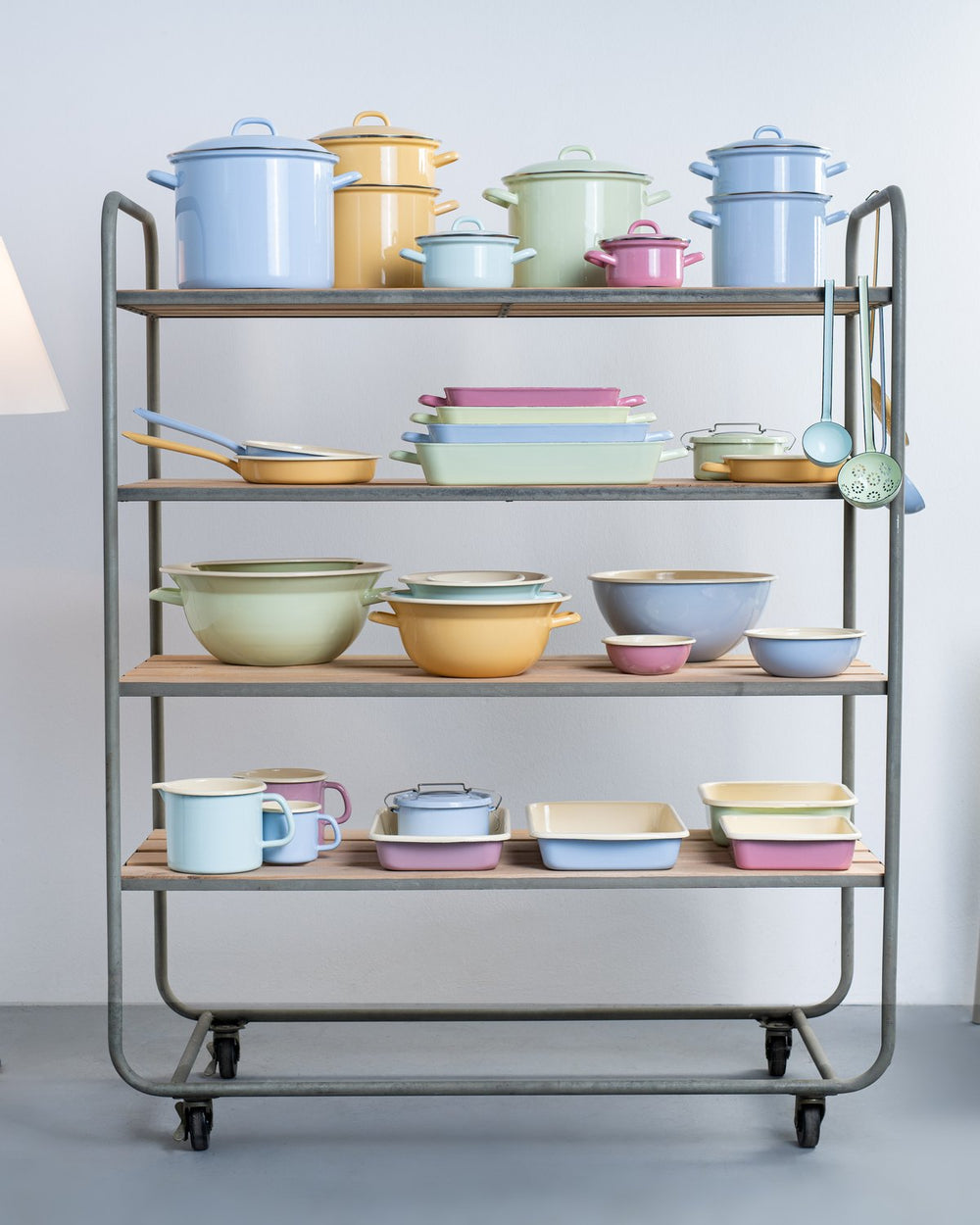
Since 1922, Riess has been enamelling cookware in Ybbsitz, Lower Austria: glass fired onto steel at 850 °C. Riess pots and pans work on all hob types, including induction.

Glass on steel
Riess has been making enamel cookware in Ybbsitz, Austria, since 1922.
Collections

Riess Classic
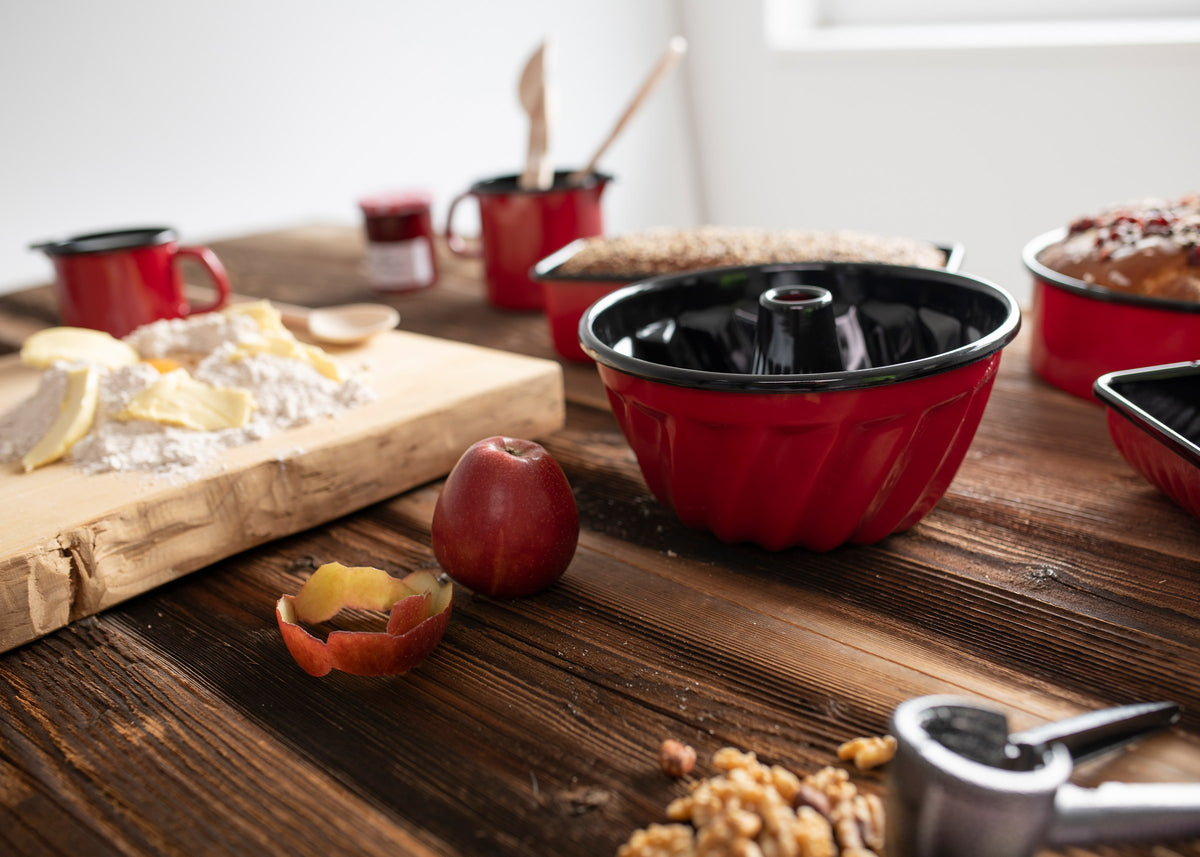
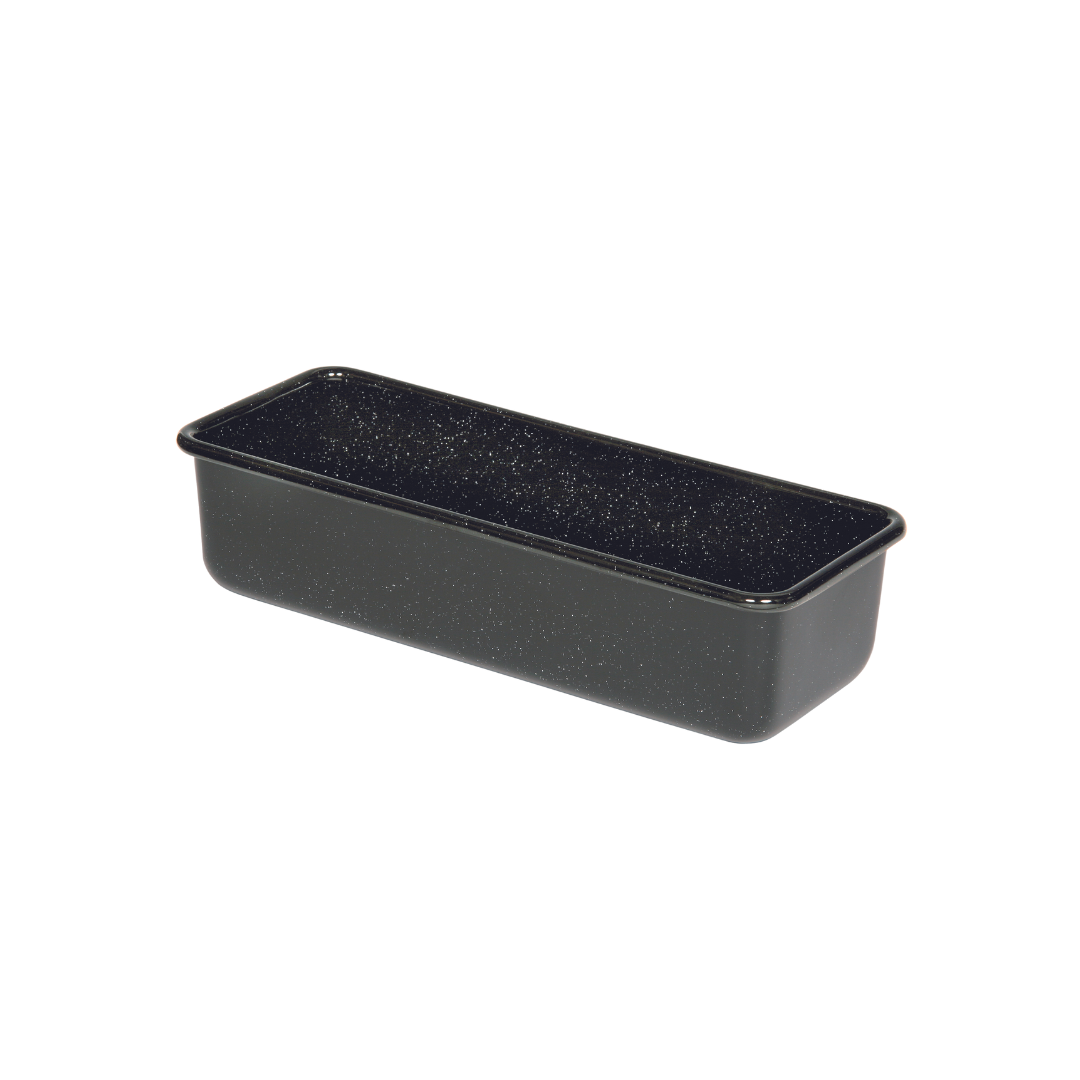
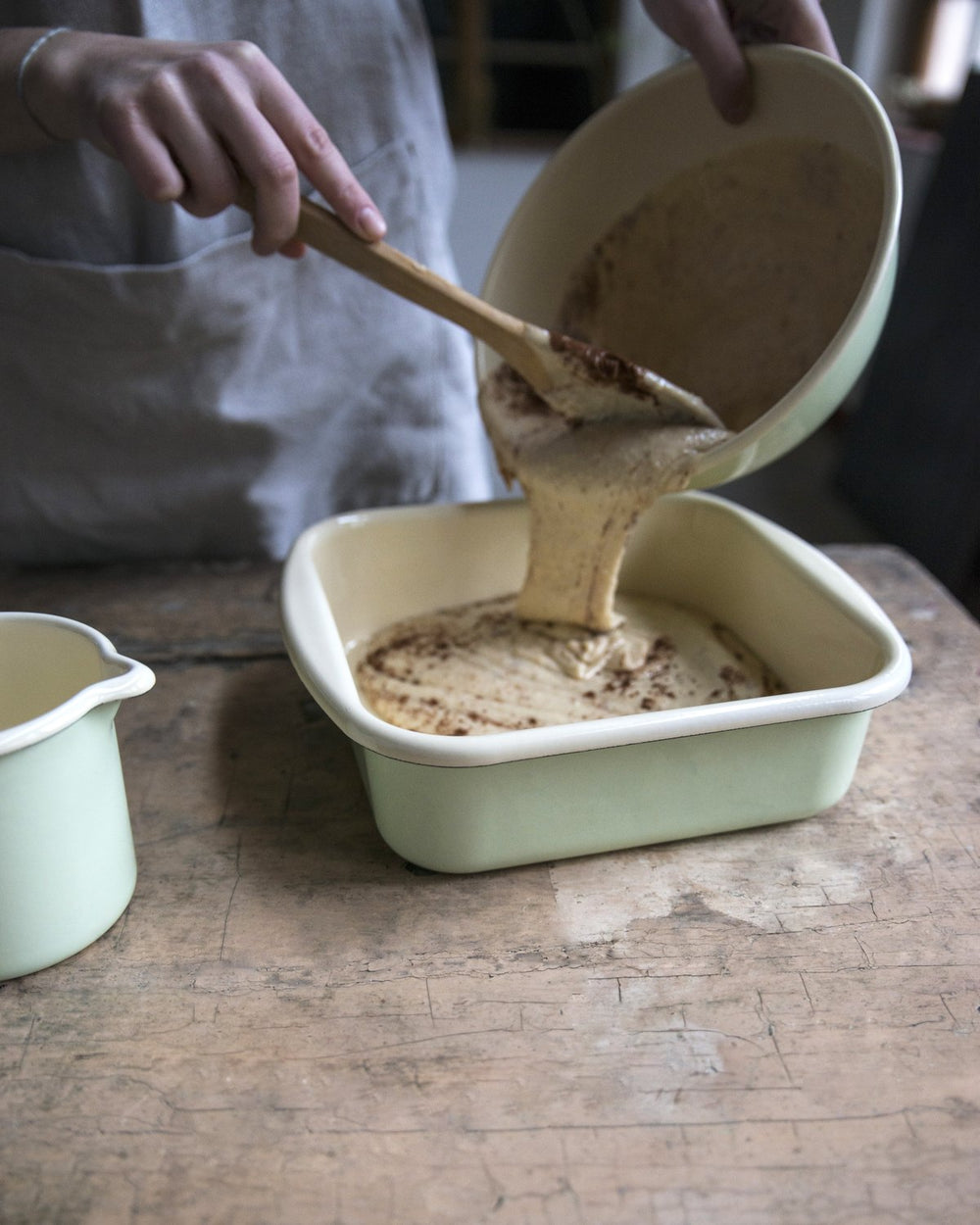
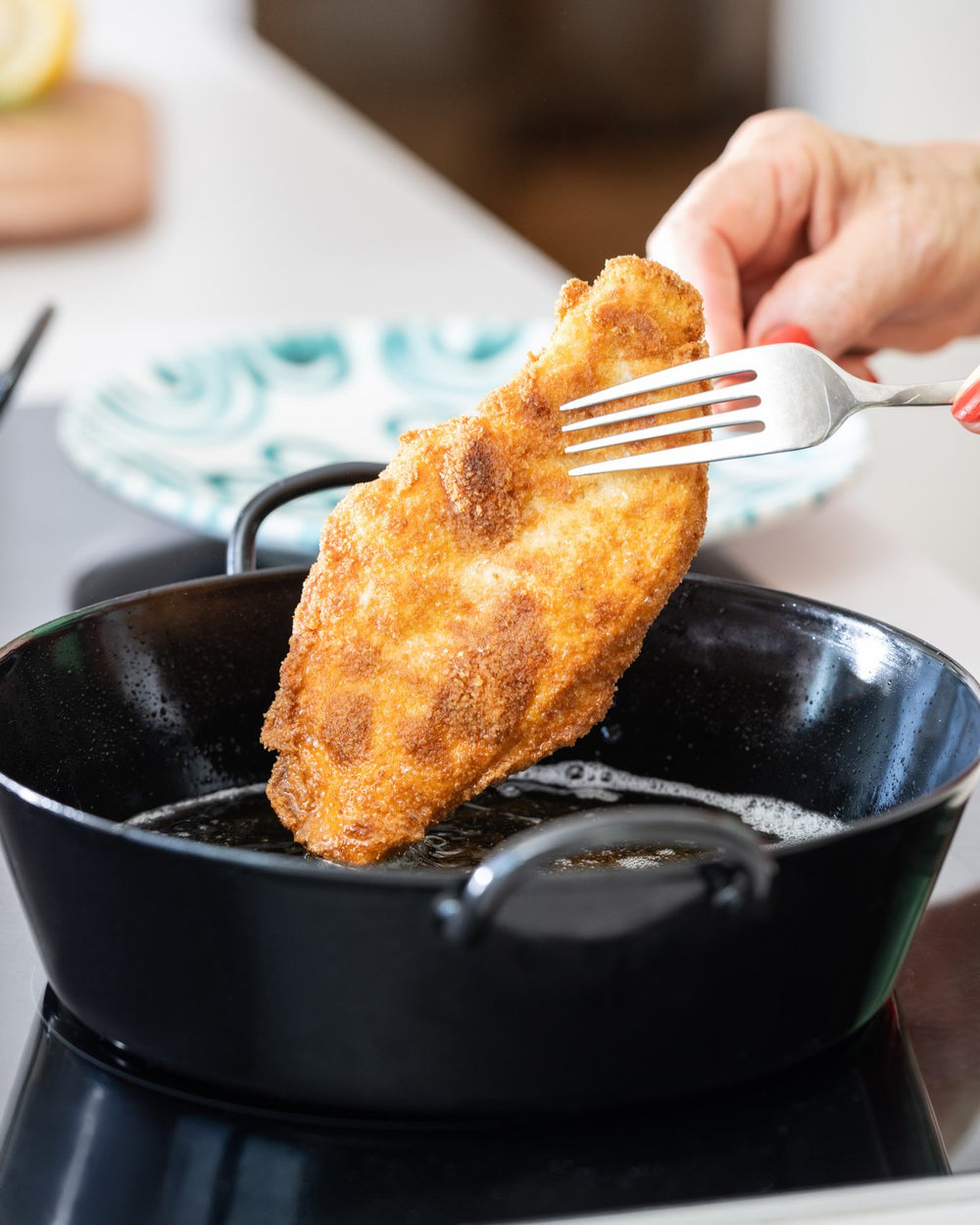
Classic is Taiga's largest Riess collection: classic Riess shapes in white, pastel and black, plus Classic Pure Grey, blue baking enamel and Color Red. Enamel pots, casseroles, pans, bakeware and kitchen utensils. According to Riess, most pots and pans are suitable for all hob types, including induction.

Riess Nouvelle
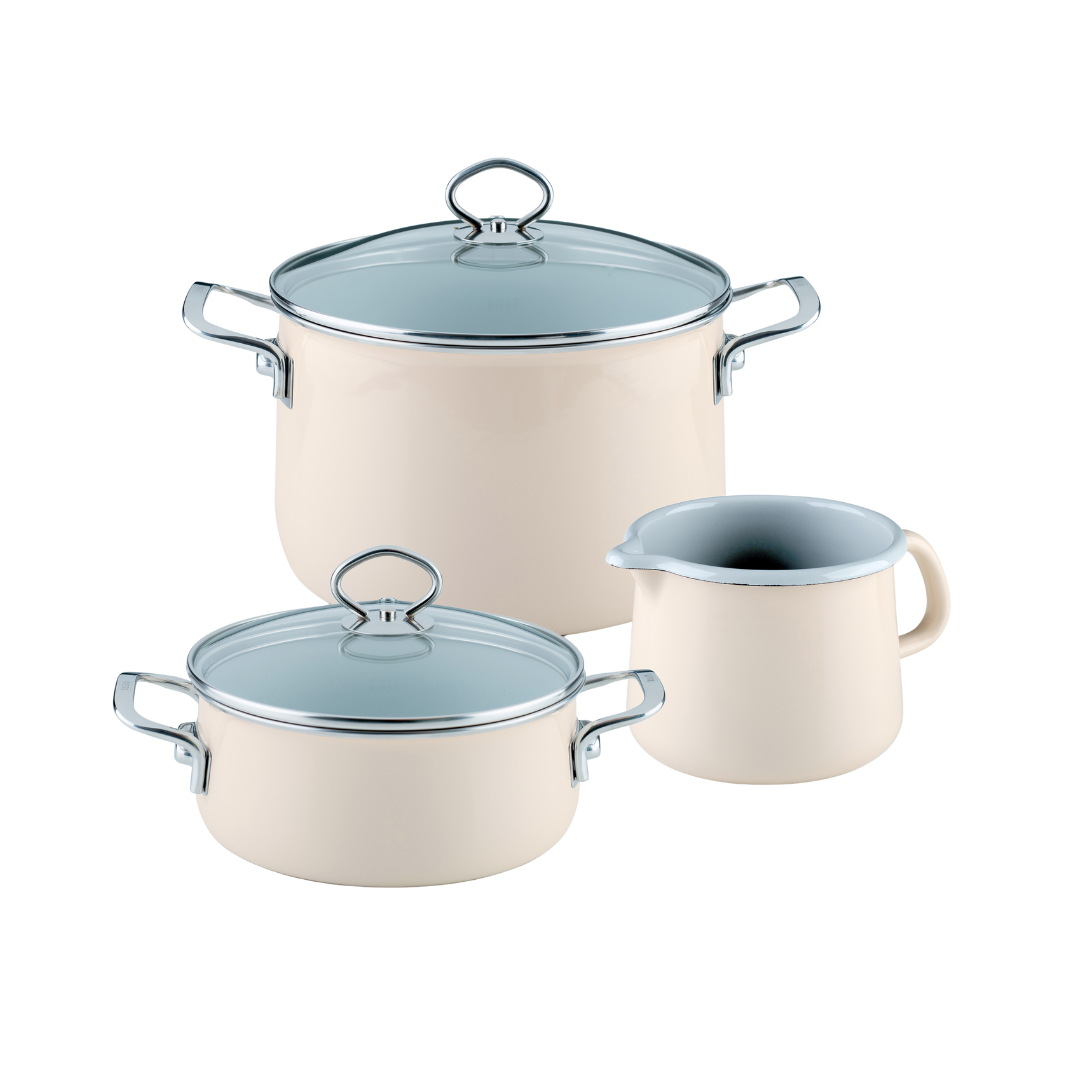
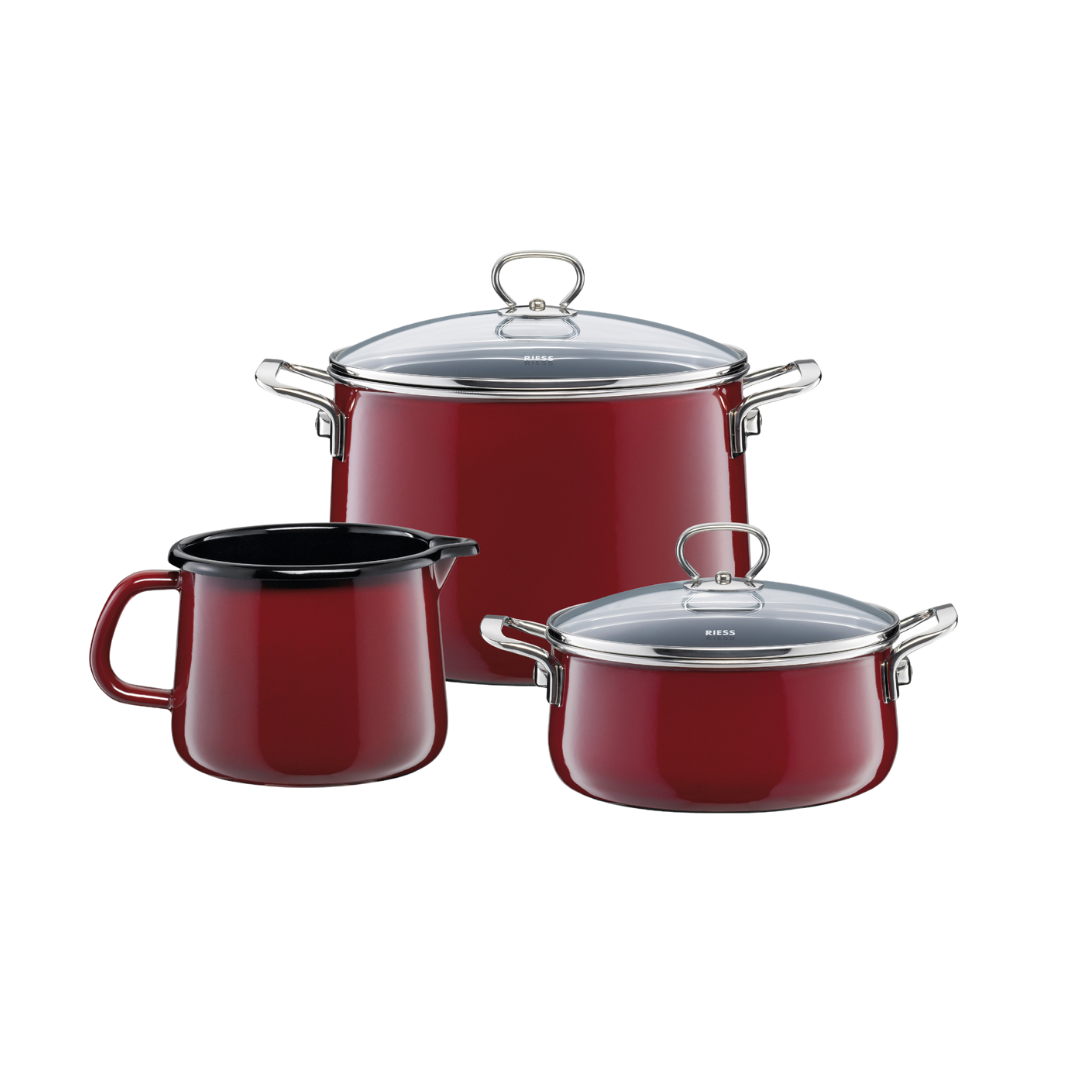
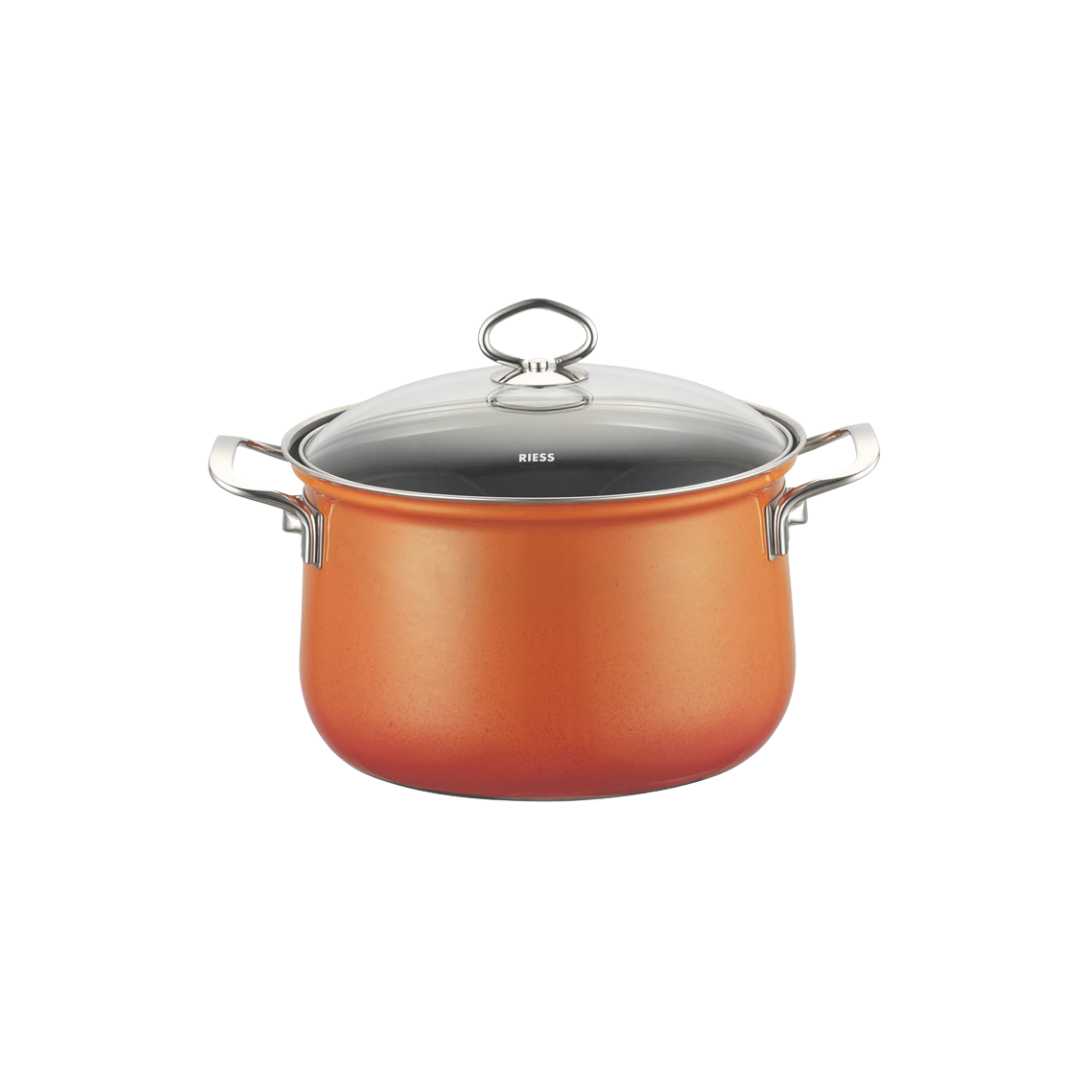
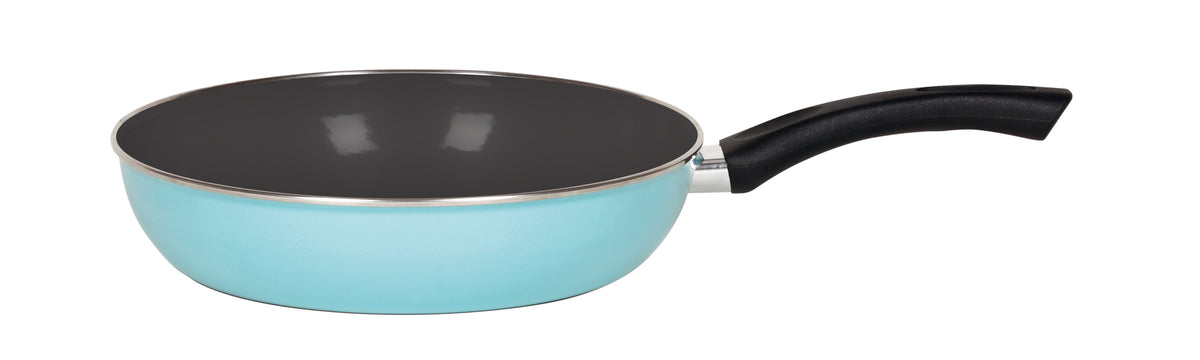
Nouvelle is Riess's cookware collection with glass lids: enamel pots, casseroles and pans. Many pieces have a steel heat-retaining base, a chrome rim and stainless steel handles. Nouvelle comes in several colours, including Avorio, Rosso, Aquamarin and Dark Grey, as a 3-piece starter set and a 5-piece set.

Riess Country
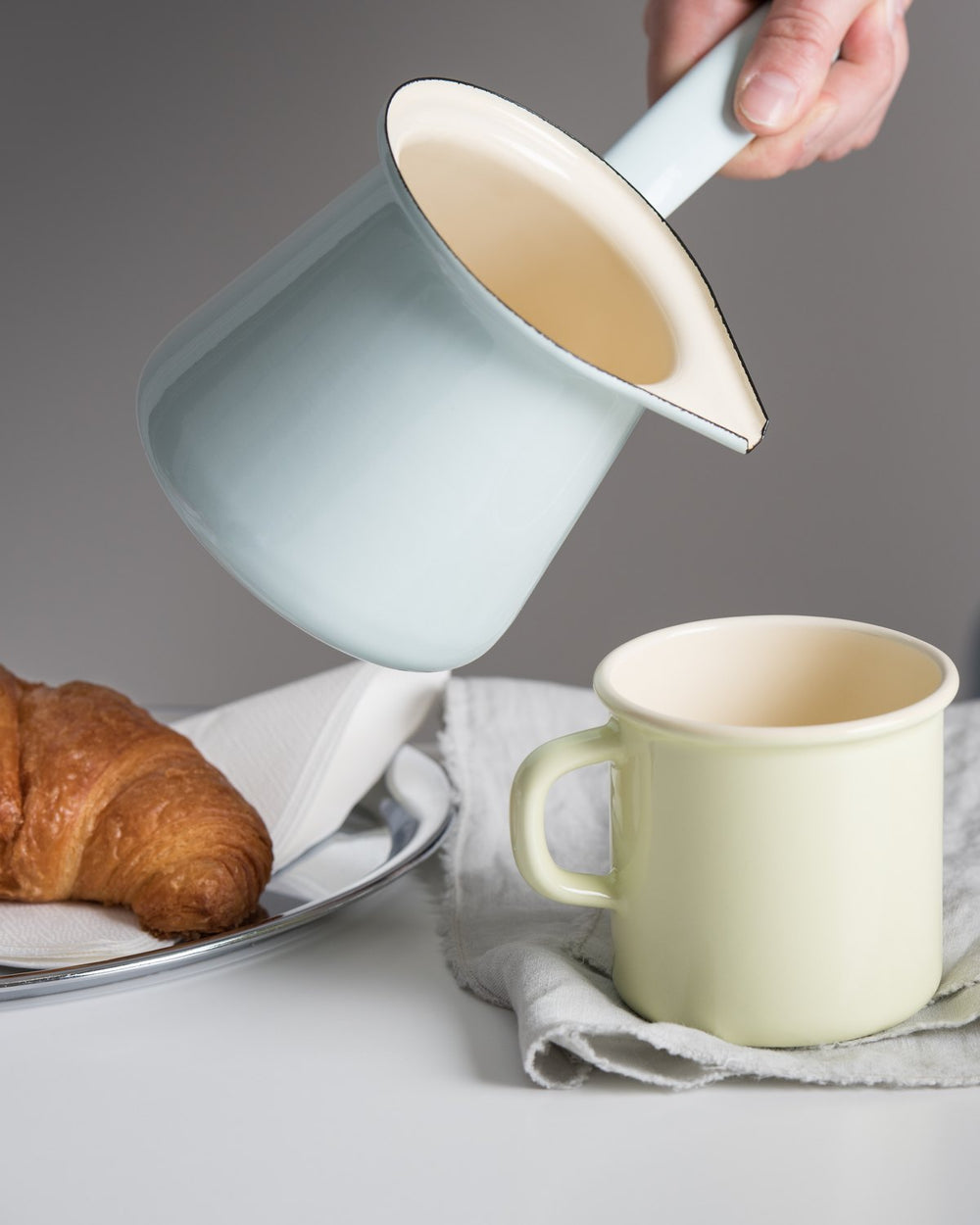
Country brings together Riess's patterned designs: Pünktchen Rot, Dirndl, Fruit Garden, Hirsch Grün and Almliesel. Enamel pots with pouring spouts, casseroles, bowls, mugs and kitchen utensils for cooking and serving at the table.

Riess Truehomeware
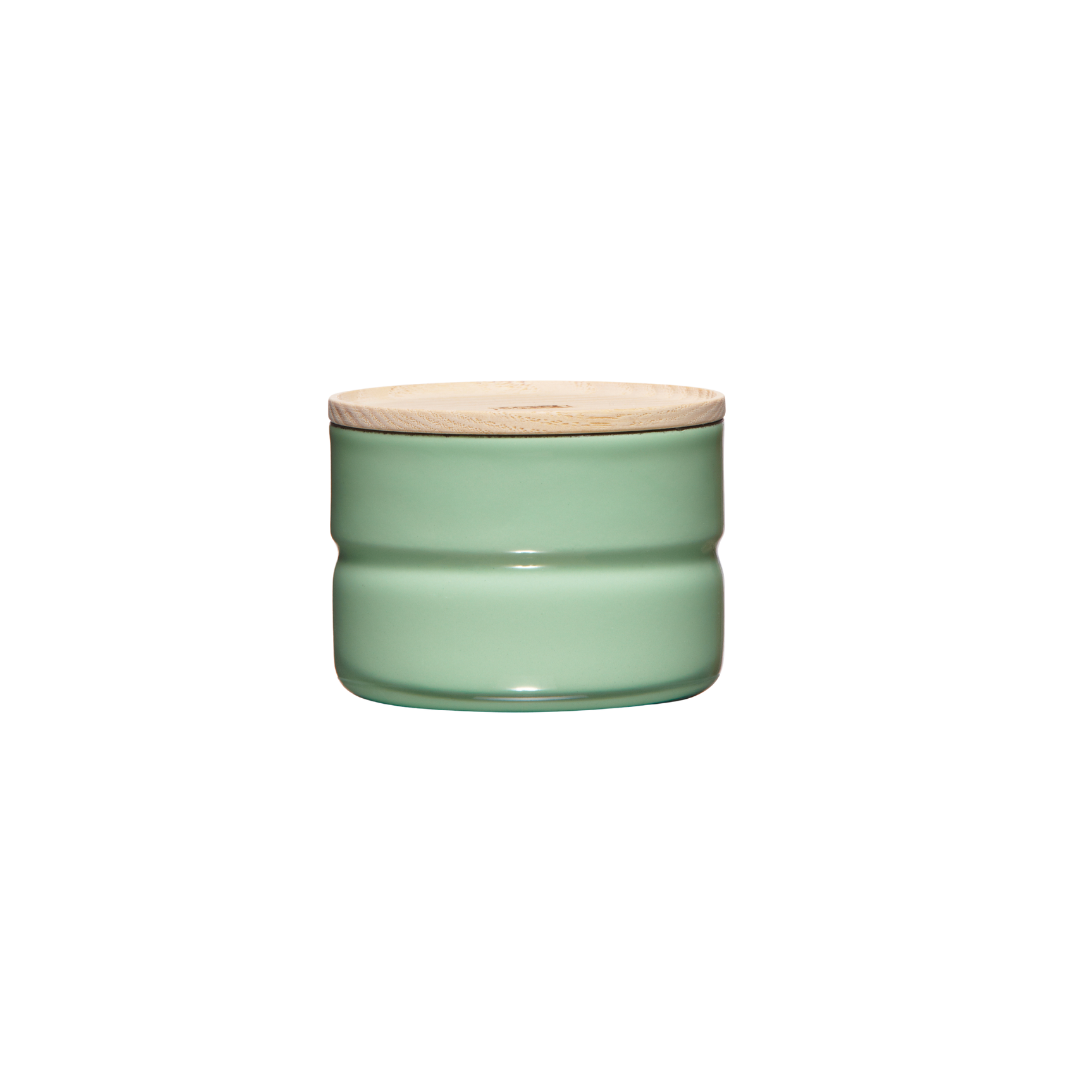
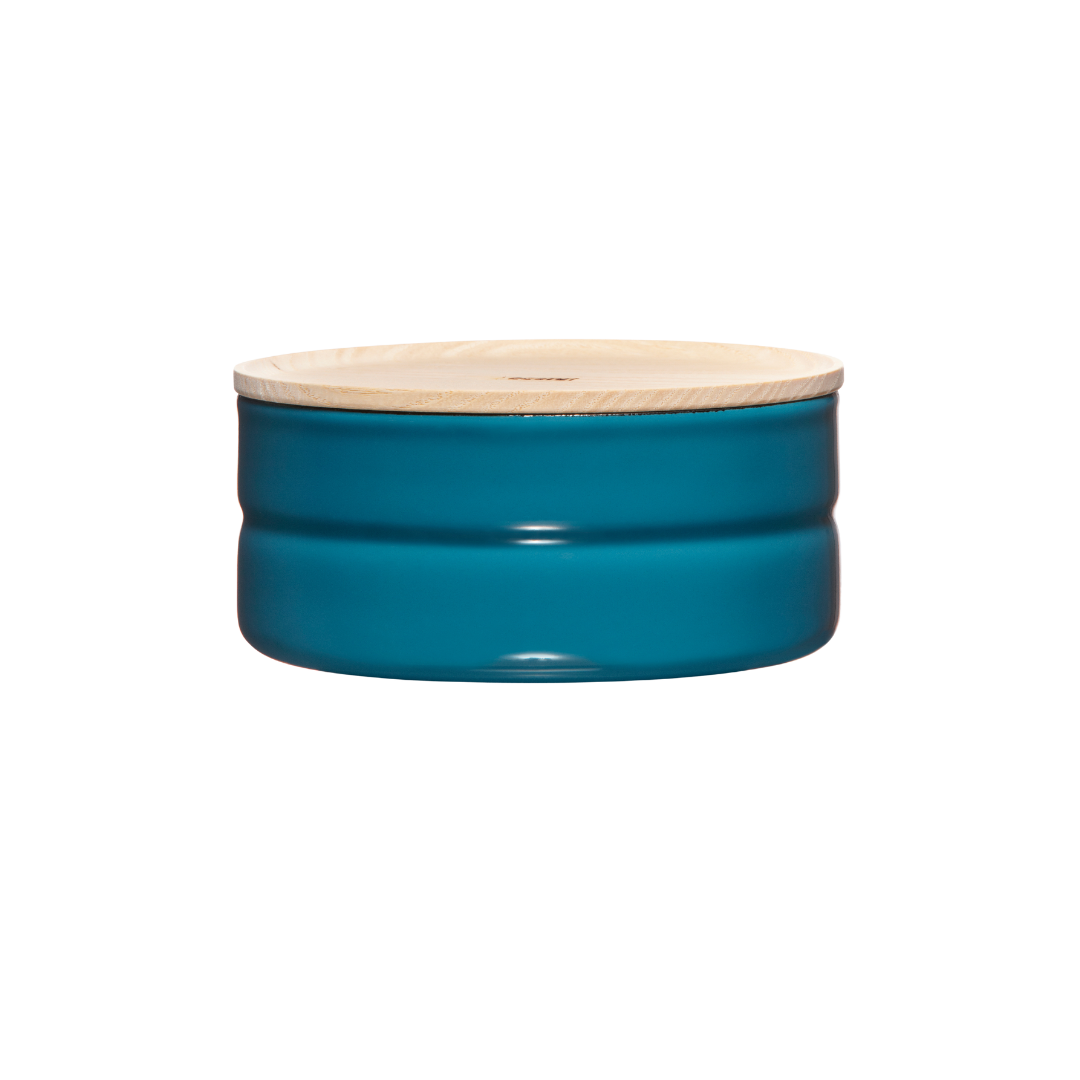
Truehomeware is the Riess collection in which, according to Riess, enamel for cooking, baking and storage is reimagined together with designers. At Taiga, it includes three ranges by the design studio dottings: Aromapots, Serve+Store and Kitchenmanagement. Aromapots are made from steel and enamel; the lid of the Aromapots casserole also serves as a trivet.
Sets by Riess




Popular with Riess

















About Riess
Frequently asked questions about Riess
Is Riess enamel suitable for induction?
Yes. Riess pots and pans have a magnetisable iron core and, according to Riess, work on all hob types, including induction. When using induction, start on a low setting and increase the heat only once the cookware is warm all the way around. Never use the boost function, never heat the cookware when empty and choose a hob that matches the pot's diameter. This applies to pots and pans, not baking tins.
Can Riess enamel go in the dishwasher?
Yes, according to Riess, the products are dishwasher-safe, preferably on the glassware programme. For a lasting shine, Riess recommends washing them by hand.
Where is Riess enamel made?
In Ybbsitz, Lower Austria. Riess has been enamelling cookware there since 1922, using steel from Linz and up to 40 production steps per item. Some items in the range come from other countries.
How do I care for enamel properly?
Use mild washing-up liquid and a soft sponge. Wire brushes, steel wool, abrasive cleaners containing sand, and sponges with ceramic particles will scratch the surface. Allow hot dishes to cool before adding cold water. Dark streaks in the pot are usually metal marks from stainless steel cutlery, according to Riess. Riess offers a dedicated care product for this: the Riess Emaillepflege, 150 ml. According to Riess, it removes these streaks effortlessly, as well as grease marks and other discolouration.
Why does my pot have small areas without enamel around the rim?
According to Riess, these are support points: during firing, the cookware is suspended from hooks, leaving the enamel open at these points. Riess does not consider this a fault, but a sign of the manufacturing process. To prevent flash rust from forming there, store the cookware thoroughly dried and occasionally grease the exposed edges with cooking oil. According to Riess, flash rust can be removed with washing-up liquid.
What do I need to do before using it for the first time?
Remove the sticker, fill it with boiling water and a splash of vinegar, and leave it to soak briefly. This is Riess's recommendation.
Can enamelware be used in the microwave?
No. According to Riess, enamelware is not suitable for use in a microwave.
Can enamel scratch or chip?
According to Riess, the enamel is scratch- and cut-resistant: knives, forks and kitchen utensils can be used without damaging the inside of pots and pans. According to Riess, the enamel may chip if the cookware hits a hard surface or if metal kitchen utensils are knocked forcefully against the rim. Improper cleaning, for example with a wire brush, steel wool or a gritty scouring cleaner, may cause scratches, according to Riess.