





More about Face mask
Natural face masks are the pause your skin deserves: potent active ingredients, a few minutes of calm and a noticeable difference afterwards – without synthetic additives. From clay masks to enzyme exfoliators, you’ll find the right treatment here for your skin’s needs.
How to recognise the right mask
- Cleansing: Clay binds excess sebum and clarifies the complexion – as a DIY option, you mix it fresh.
- Moisturising: Moisture masks and hyaluronic acid eye pads replenish dry, tired skin.
- Restorative: Restorative masks support stressed skin with concentrated care.
- Gentle exfoliation: A mild exfoliator or enzyme exfoliator removes dead skin cells without harsh abrasive particles.
Our brands: why these ones
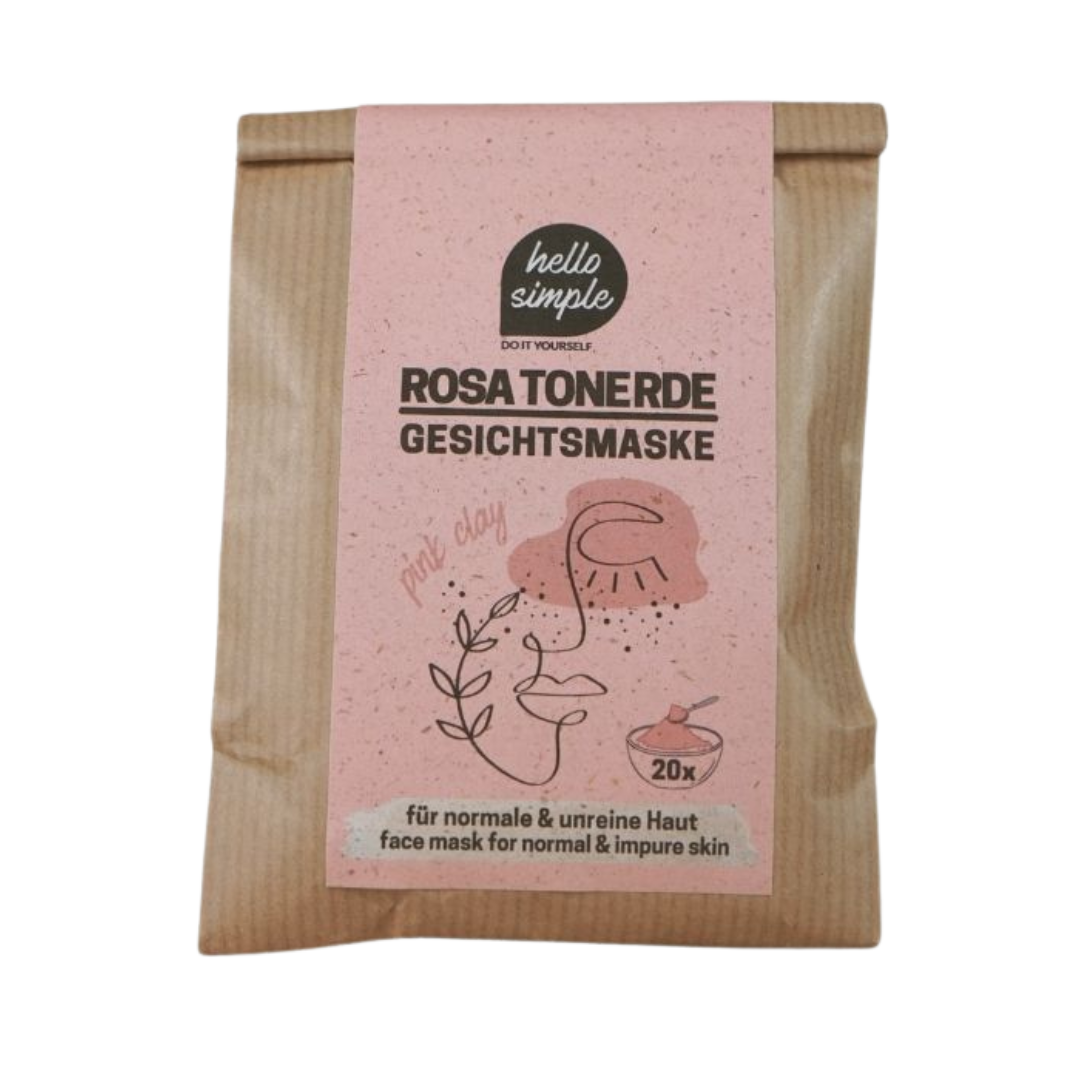
Dr. Hauck and hello simple work with clay, plant oils and botanical extracts – cleansing, soothing or moisturising, depending on your skin’s needs. hello simple offers clays in white, green and pink for mixing at home; Dr. Hauck stands for concentrated treatments such as moisture masks, restorative masks and enzyme exfoliators. Mukti Organics, I+M and Fair Squared complement the range with natural cosmetics focused on honest ingredients.
Practical tips: get more from your mask
The best order is: start with a gentle facial cleanser, followed by an exfoliator or mask, then finish with an organic face cream. Once or twice a week is enough for most skin types – regular use is better than using it too often. Don’t let clay masks dry completely: remove them while they’re still slightly damp, which is gentler on the skin.
How often should I use a face mask?
Once or twice a week is a good routine for most people. Use cleansing clay masks sparingly if you have dry skin; moisture masks can be used more often as needed.
Which clay is right for which skin type?
Green clay is considered particularly clarifying and works well for combination and oily skin. White and pink clays are gentler and are also suitable for more sensitive skin. If you’re using DIY powder, always mix the mask fresh.
What’s the difference between an exfoliator and an enzyme exfoliator?
A mild exfoliator works mechanically with fine particles, while an enzyme exfoliator breaks down dead skin cells enzymatically – without any scrubbing. This is often the gentler option, especially for sensitive skin. Find more for your routine in the full facial care range.
Pairs well with: lip care.
Updated 08/2026