

Origin & Craft


Popular Picks
From our selection, sorted by what’s being bought right now.


Find inspiration
Four moments, everything to match in one card.

Sand and terracotta


Table setting


Sunday loaf


Evening light


Fewer promises. More knowledge.
There is plenty of information.
Transparency is rare.
Transparency is rare.
Taiga Transparency works behind every product at Taiga. On the product page, it shows you only what a source supports: origin, material and certification, with a quotation, type of evidence and limitation. Twelve criteria across a product’s life, with no grade, no points and no comparison.


A set from a collection
21 cm chef's knife, 32 cm bread knife and 26 cm sharpening steel. Hand-forged in Solingen by Güde, with handles made from the wood of old wine barrels. Each piece is priced separately; £530.97 for the set. View the full collection


Selected collections


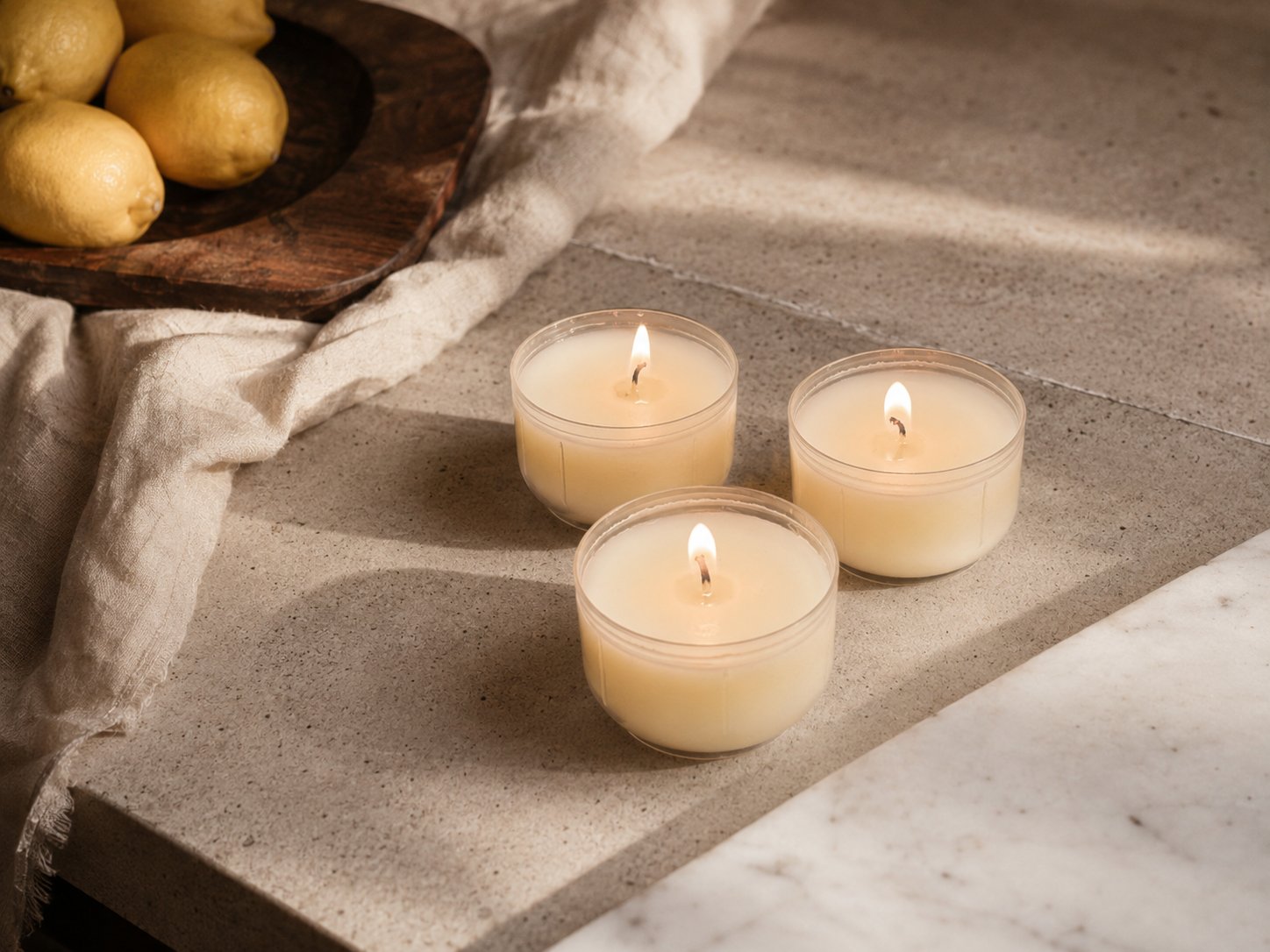
Rituals to help you feel centred. Natural candles, care rituals and gifts for quiet moments.


How the day begins. Natural cosmetics and body care for a mindful morning.


Feel at ease. Organic bed linen and bedroom essentials made from natural materials.
Journal

Enamel or Stainless Steel Cookware: Which Is Better?
Enamel or stainless steel? What enamel is, how hard-wearing and hygienic glass on steel is, and how it compares with stainless steel, cast iron, copper and PTFE.

Living Plastic-Free – An Unattainable Utopia?
Plastic in Everyday Life Plastic is everywhere in our daily lives – from packaging and household items to hygiene products. Yet plastic’s harmful effects on the environment and our health are serious. According to the Plastic Atlas 8.3 billion tonnes of plastic were produced worldwide between 1950 and 2015, with less than 10% recycled. Microplastics are now found not only in oceans, but also in soils and inland waters, where pollution can be up to 23 times higher than in the sea, depending on the region. Have you ever wondered whether it is possible to live without plastic? In this article in the Taiga Magazine you’ll learn how simple changes to your daily routine can help you live plastic-free. We’ll also introduce alternative products from the Taiga Store and share practical tips to help you live with less plastic. Before looking at how we can avoid plastic in our daily lives, however, it is worth taking a closer look at the different types of plastic and their environmental impact. What is plastic? Plastic, also known as synthetic material is a collective term for a wide range of polymers made from different raw materials. Most plastics, such as polyethylene (PE) and polyvinyl chloride (PVC), are produced by polymerising hydrocarbons obtained from fossil resources such as crude oil and natural gas. However, there are also bio-based plastics, such as polyamide (PA) and polyphthalamide (PPA), made from renewable resources. Polyethylene (PE): The most widely used plastic worldwide, known for its flexibility and versatility, is commonly used for packaging and plastic bags. Polyvinyl chloride (PVC): A durable plastic used in building products such as pipes and window frames. Although PVC is heat-resistant and durable, its production is controversial due to the use of chlorine and its impact on the environment and health. Polyamide (PA): A thermoplastic polymer that exists in both petroleum-based and bio-based forms, and is used in textiles and technical applications. Polyphthalamide (PPA): A bio-based plastic that is particularly heat-resistant and used for technical applications such as automotive components. Petroleum-based plastics are known for their durability, but this is also their greatest challenge: they are not biodegradable and break down into microplastics that remain in the environment and are difficult to recycle. These microplastic particles accumulate in soils and inland waters and ultimately enter the food chain, posing significant environmental and health risks. How is plastic made? Plastic is mainly made from fossil resources such as crude oil and natural gas. The process of producing plastics can be divided into several steps: Raw material extraction: The first step in producing plastic is extracting crude oil and natural gas. These fossil resources form the basis of most plastics. Cracking: In the cracking process, the long hydrocarbon chains in crude oil are split into smaller, more reactive molecules such as ethylene and propylene. This takes place in large industrial facilities known as crackers. Polymerisation: The split molecules are joined together in a chemical process called polymerisation to form long chains known as polymers. These polymers form the basis of different types of plastic. Various polymerisation processes are used, including chain-growth and step-growth polymerisation, depending on the type of plastic required. Plastic production: The polymers are then processed into a basic material known as granulate. This granulate is the starting point for producing a wide range of plastic products. It can be shaped as required using processes such as injection moulding, extrusion or blow moulding. Finishing: Finally, plastic products can be further refined by adding colourants, plasticisers or other additives. These chemical additives improve the flexibility, colour or durability of plastics, but pose a health risk because they can enter the environment and pass into the food chain. In summary, producing plastic involves converting fossil resources into polymers, which are then processed into a wide variety of plastic products. How much plastic is in the sea? Plastic waste in the sea is one of the most pressing environmental problems of our time. According to current studies, including analyses by Statistamore than 400 million tonnes of plastic are produced worldwide every year. A considerable proportion of this – an estimated 8 million tonnes – ends up in the oceans each year. But how does this plastic get into the sea in the first place? Most plastic waste comes from land. Wind, rain and rivers carry it into the sea. Improperly disposed-of plastic waste and overflowing landfill sites are often the main sources. In coastal regions, plastic is washed directly into the sea, while rivers transport plastic waste from inland areas to the oceans. Shipping and fishing also contribute significantly to plastic pollution: plastic nets, ropes and packaging materials are lost or deliberately disposed of at sea. Once in the sea, plastic waste can remain there for centuries. While a plastic bag takes around 20 years to break down, a PET bottle can take up to 450 years (Statista infographic, 2023). As it breaks down, plastic forms increasingly smaller particles known as microplastics, which are ingested by marine life and thus enter the food chain. A Plastic-Free Life – The Challenges Living a plastic-free life comes with numerous challenges and obstacles that are often underestimated. Just consider where plastic appears in our everyday lives: when shopping, in Body Care and around the home – plastic is virtually everywhere. Yet this is precisely where we encounter the greatest challenges in daily life: Shopping: Many products are sold in plastic packaging, which greatly limits the choice of plastic-free alternatives. Finding plastic-free options for drinks and dairy products can also be difficult. Hygiene: Toothbrushes, razors, shampoos and shower gels are often made from plastic or packaged in it. Switching to alternatives such as bamboo toothbrushes, solid shampoo or soap often takes some getting used to. Around the home: Cleaning products sold in plastic bottles, as well as kitchen utensils and storage containers, are often made from plastic. Switching to plastic-free alternatives can be costly and requires a comprehensive replacement of existing items. Plastic in unexpected places: In some countries, including Australia and Romania, even banknotes are made from plastic. These polymer banknotes are more durable and hard-wearing than traditional paper banknotes. Are biobased plastics the solution? According to the Federal Environment Agency biobased and biodegradable plastics initially appear to offer a sustainable alternative to conventional plastic. These plastics are made from renewable raw materials such as corn starch or sugar cane and can biodegrade under certain conditions. However, their environmental benefits are often limited because they require specific conditions for decomposition that are not always found in nature. In addition, the raw materials needed to produce them compete with food production, while recycling biobased plastics remains problematic because they often cannot be recycled together with conventional plastic. This reduces the efficiency of recycling processes and calls the environmental benefits of these materials into question. Have you noticed that plastic is already being replaced? Have you noticed that more and more companies and organisations are already taking steps to replace plastic? This shift shows that moving towards a plastic-free life is not only possible but increasingly becoming a reality. Here are some examples of where plastic has already been successfully replaced: McDonald’s straws: In many countries, McDonald’s has switched to paper straws to reduce the use of single-use plastic. This change is a step in the right direction and shows how large companies can also do their part. Supermarkets without plastic bags: More and more supermarkets no longer offer free plastic bags and encourage customers to bring reusable bags. Some have even stopped using plastic bags altogether. Plastic-free packaging in cosmetics: Many cosmetics brands now use plastic-free packaging or offer refill systems to reduce plastic consumption. Giving up plastic tableware at events: More and more festivals and events are using reusable or compostable tableware to avoid plastic waste. Replacing single-use plastic in cafés: In many cafés, plastic stirrers and single-use cups are being replaced with alternatives such as wooden stirrers and reusable coffee cups. These examples show that the trend towards plastic-free alternatives is already widespread. They make it clear that giving up plastic is not a distant dream but a realistic and necessary change in our society. By choosing plastic-free products and supporting these efforts, you can become part of this movement and help shape the change. Why should I live plastic-free? There are many compelling reasons to live plastic-free that go far beyond protecting the environment. Here are some of the main reasons why a life without plastic benefits not only the environment but you personally too: Protecting the environment: Plastic pollution is one of the greatest environmental problems of our time. Every year, millions of tonnes of plastic waste enter the oceans, threatening marine life and destroying entire ecosystems. By trying to avoid plastic in your everyday life, you directly help reduce this burden and protect our environment. Health benefits: Plastic often contains harmful chemicals such as BPA, which can leach into food and drinks. These substances are suspected of causing health problems, including hormonal disruption and an increased risk of cancer. Plastic-free alternatives can therefore not only protect the environment but also benefit your health. Supporting sustainable alternatives: By consciously avoiding plastic, you support demand for environmentally friendly and sustainable alternatives. Whether glass, stainless steel, bamboo or other natural materials, there are many options that are both functional and environmentally friendly. Long-term savings: Although plastic-free alternatives may sometimes seem more expensive, they can prove more cost-effective in the long term. Reusable products are often more durable and of higher quality, meaning you need to replace them less often. Living plastic-free is therefore not only a way to help protect our planet but also a choice that benefits your health and supports a more sustainable future. Every step towards a plastic-free lifestyle makes a difference – for you, nature and future generations. How can you live plastic-free? Living without plastic may seem difficult at first glance. However, there are many small steps you can take to significantly reduce your plastic consumption. It is not about living completely plastic-free from one day to the next, but rather about making conscious choices and gradually finding sustainable alternatives. Here are 10 tips to help you try to avoid plastic in everyday life: Use reusable shopping bags: Avoid plastic bags and use fabric bags or other reusable bags instead. Glass and stainless steel food containers: Replace plastic containers with glass or stainless steel containers for storing and keeping food. Solid shampoo and soap: Switch to solid shampoos and soaps sold in paper packaging or without packaging. Reusable water bottles and coffee cups: Avoid single-use plastic bottles and cups by using a reusable water bottle or coffee cup. Bamboo and wooden cutlery: Replace plastic cutlery with durable bamboo or wooden cutlery, especially when you are out and about. Alternatives to plastic for everyday life Having discussed the challenges and first steps towards a plastic-free lifestyle, we would like to introduce you to some practical alternatives that are easy to integrate into your everyday life. These products help you avoid plastic and often last longer. Bamboo or wooden lights: Natural-material lampshades add a warm touch to your home. Stainless steel water bottles: They replace single-use plastic bottles and go wherever you do. Bamboo toothbrushes: For your daily dental care, with a bamboo handle instead of plastic. Solid shampoo and natural soap: Plastic-free body care in solid form. Glass or stainless steel containers for the kitchen: Ideal for storing food and replacing plastic containers. Beeswax wraps instead of cling film: Reusable for keeping food fresh. Organic cotton bath mats: Comfort and style in the bathroom. Wooden toys for children: Made from wood rather than plastic, for every child's bedroom. Reusable shopping bags: Fabric bags or nets for your shopping, sturdy and practical. With these products, you can gradually banish plastic from your everyday life. Conclusion Living without plastic is difficult, but every small step towards plastic-free alternatives counts. By incorporating these alternatives into your everyday life, you will need less single-use plastic. Take a look at our selection in the Taiga Shop and find the right alternatives for your everyday life. And if you would like to know what the information about a product is based on, see the product page atTaiga Transparency.

Brabantia Bins: Stylish Waste Separation
Waste separation with style and organisation Why choose a Brabantia bin? Waste separation is part of everyday life in many households. With Brabantia bins, it becomes not only easier, but also more stylish. At the Taiga Shop, you’ll find a wide range of models that combine functionality with attractive design. Brabantia from the Netherlands combines modern design with thoughtful engineering. The right bin makes waste separation simple and adds a stylish touch to your home. Which bin suits your lifestyle? Choosing the right bin depends on various factors: the available space, your style and your household’s needs. Brabantia offers solutions for every kitchen: Slimline models: Space-saving bins such as the Slimline fit perfectly into small rooms. Metal finishes: Sturdy and elegant, ideal for modern kitchens with chrome-plated or lacquered surfaces. Bins with legs: Making it easier to clean the floor beneath the bin hygienically. Silent-closing lids: Perfect for households that value quiet operation. Concealed bin liners: Stylish solutions for keeping unsightly liners out of sight. These versatile options make Brabantia a practical companion in every kitchen. 1. Multi-compartment bins: efficient recycling made easy For simple waste separation, a multi-compartment bin such as Brabantia’s Bo Touch Bin 11l+23l is a great choice. With two compartments, you can separate two types of waste, such as packaging and general waste, in one bin. For three types of waste, there is the Bo Touch Bin 3x11l. This saves space and makes everyday life easier. 2. Food waste in the kitchen Food waste such as leftovers often ends up in the general waste. With a dedicated food waste caddy, you can collect it separately for the food waste bin. Brabantia’s Sort & Go bins are available in sizes from 3 to 40 litres. The compact models fit beneath the worktop and are easy to clean. 3. The classic: Touch Bin from Brabantia Brabantia’s Touch Bin is a true classic. Its soft-touch mechanism makes it easy to use, while the lid closes silently. Whether you choose the Touch Bin New 30l or the larger Bo Touch Bin 36l, these bins bring style to your kitchen and make waste separation easier. 4. Pedal bins: where functionality meets style Pedal bins such as the models in Brabantia’s NewIcon pedal bin range are particularly practical. A simple press of the pedal opens the lid, making them easy to use. The NewIcon pedal bins are available in various sizes, from small 3l and 5l bins for the bathroom to larger models such as the StepUp pedal bin 40l for the kitchen. What to consider when choosing Consider how many types of waste you want to separate in the kitchen and how much space you have available. For two or three types of waste, models with several inner buckets, such as the Bo Touch Bin, are ideal; slimline models suit small rooms, while the smaller pedal bins are well suited to bathrooms. Conclusion: waste separation with style With a Brabantia bin, you bring functionality and design into your home. Whether you’re looking for space-saving models, practical multi-compartment bins or elegant pedal bins, the Taiga Shop offers a wide selection to suit your everyday life. Discover all Brabantia models at the Taiga Shop now. Stylish bins for your home
Our Favorites