

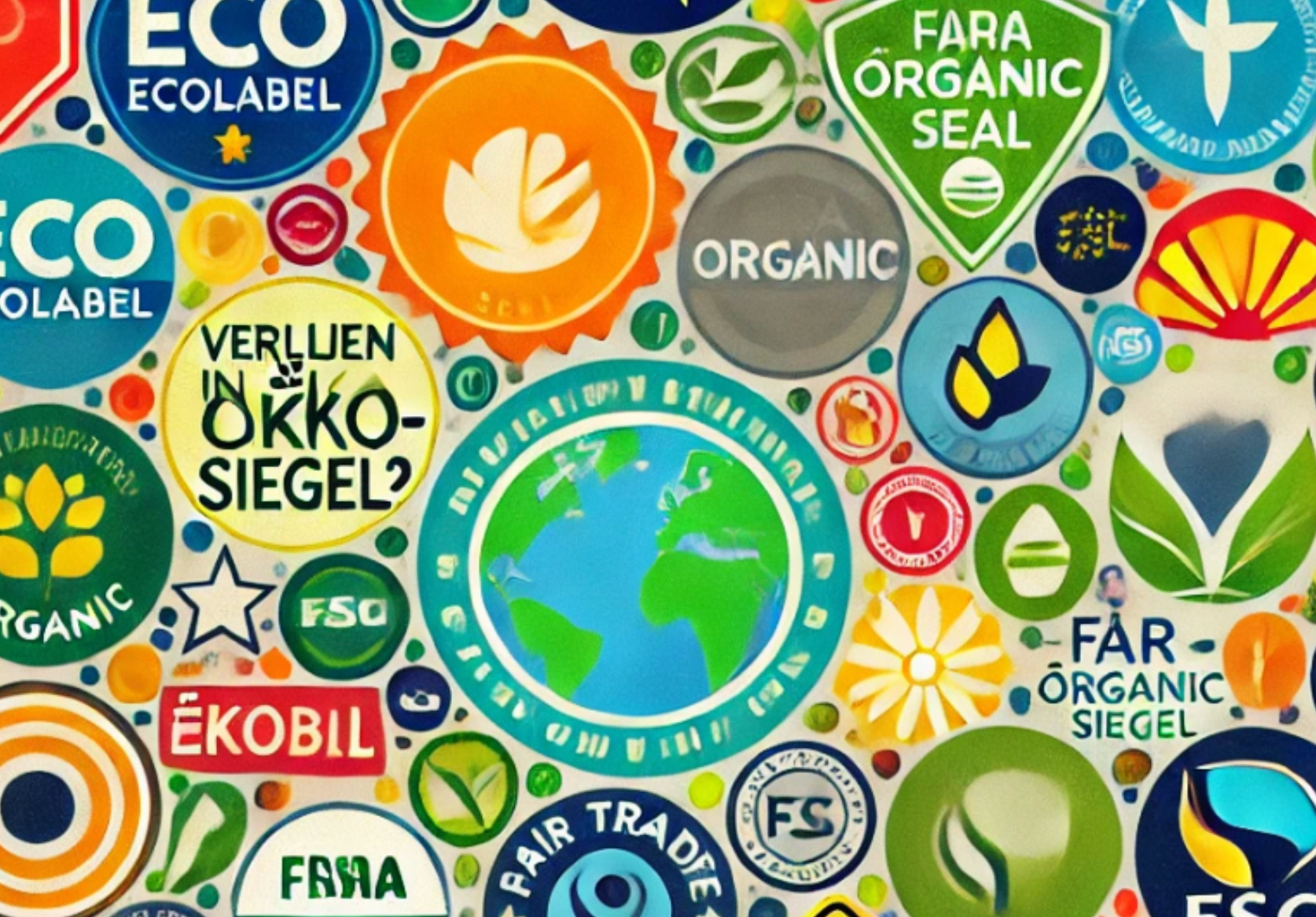
You've probably heard of greenwashing before. But what does greenwashing actually mean? Companies often try to present an environmentally friendly image without actually implementing sustainable practices. A common tool for this is so-called eco labels or eco seals. These are meant to suggest sustainability to the consumer, but they don't always deliver on their promises.
We at Taiga want to show you in this article how to recognize greenwashing and whether sustainability seals can still be trusted. We will take a look at the most common eco labels and explain which ones are truly trustworthy. We will also give you useful tips to ensure that the products you buy are actually environmentally friendly.
What is Greenwashing?
Greenwashing refers to a marketing strategy in which companies or organizations try to appear more environmentally friendly than they actually are. Companies use targeted PR measures and advertising to create an eco-friendly image. They convey the impression that their products, services, or business practices are sustainable and 'green', although this often does not correspond to reality.
What are Eco-Seals?
Eco-seals are certificates that help you identify environmentally friendly and sustainable products. Eco Labels show you that a product meets certain ecological standards, whether in production, in the use of materials, or in the product's entire life cycle. These seals are designed to provide guidance to you as a consumer and make it easier to purchase products that are truly environmentally friendly.
The criteria for Eco Labels can vary greatly depending on the seal. Some focus on organic farming, such as the EU organic logo. Other seals, like the Blue Angel, distinguish products that are particularly resource-efficient or recyclable.
However, it is important to know the different seals and understand exactly what they mean. Not every seal stands for the same environmental standards, and some are stricter than others. So, if you really want to make sure you're buying sustainable products, it's worth taking a closer look at the specific criteria of the eco-seals.
Which Eco-Seals are there?
There are a variety of eco-seals that help you identify sustainable and environmentally friendly products. These seals offer important guidance when shopping by guaranteeing compliance with specific environmental and social standards.
Here are some of the most well-known eco-seals:
- EU Organic Logo: The green leaf you often find on products indicates products produced according to EU organic regulations. It guarantees that at least 95% of the ingredients come from organic farming.
- Demeter: This seal stands for biodynamic agriculture and sets particularly high standards that go beyond the requirements of the EU organic logo.
- Blue Angel: A German environmental label that distinguishes particularly environmentally friendly products and considers the entire life cycle of a product.
- Fairtrade: This seal guarantees fair trade conditions and sustainable cultivation methods that protect both the environment and producers.
- Naturland: This seal is awarded by one of the largest organic farming associations in Germany. Naturland sets particularly high standards in organic farming and places great importance on social responsibility and fair trade.
- GOTS (Global Organic Textile Standard): The GOTS seal stands for the highest standards in the processing of textiles made from organically grown natural fibers. It ensures that all phases of production are environmentally and socially responsible.
- MSC (Marine Stewardship Council): This seal is awarded to fishery products caught according to the principles of sustainable fishing. It guarantees that fish stocks are maintained long-term and marine ecosystems are protected.
- FSC (Forest Stewardship Council): The FSC seal is awarded to wood and paper products that come from sustainably managed forests. It stands for responsible forest management that takes into account environmental and social standards.
- NCS Natural Cosmetics (Natural Cosmetic Standard): The NCS seal identifies natural cosmetic products that must meet strict requirements. The products may only contain plant, animal, or mineral natural substances, as well as nature-identical substances. It is important to note that natural substances from living animals may be used as long as they do not suffer or are killed, while products from dead animals are excluded.
- Flustix: The Flustix seal is a certification that helps consumers identify plastic-free products and packaging. It identifies items that are free of plastics or have a reduced plastic content. Through strict independent testing, Flustix ensures that certified products meet the specified criteria. This certification not only promotes the reduction of plastic in production and trade but also actively contributes to reducing plastic waste.

In the Taiga Store, we have compiled a detailed overview of the most important eco-seals for you. If you would like to learn more about other seals and their meaning and criteria, feel free to visit our page on Eco-Seals . There you will find all the information you need to make conscious and sustainable purchasing decisions.
Who awards the EU organic logo?
The EU organic logo is awarded by the European Union and is subject to the EU Organic Regulation. The award is made after companies have successfully completed certification by an accredited control body. These certification bodies verify that the products meet the strict requirements of the regulation, such as the avoidance of synthetic pesticides, genetically modified organisms, and the use of sustainable farming methods. Once certified, products may bear the EU organic logo.
What does "organic" mean?
The term "organic" refers to products manufactured according to the principles of organic farming. Products labeled "organic" meet specific requirements that exclude the use of chemical fertilizers, synthetic pesticides, and genetically modified organisms. Instead, natural farming methods are used to promote soil fertility and biodiversity.
"Organic" also means that high standards are maintained in animal husbandry. Animals must be kept in a species-appropriate manner, which means, among other things, that they have more space, access to outdoor areas, and are raised without the use of antibiotics or growth hormones.

In the EU, the term "organic" is legally protected and may only be used for products that comply with the strict regulations of the EU Organic Regulation. This regulation ensures that at least 95% of the ingredients in a processed product come from organic farming.
Which companies engage in greenwashing?
We at Taiga have taken the trouble to research more closely and examine some companies that engage in greenwashing. It's amazing how many well-known brands try to make their products appear more environmentally friendly than they actually are. Did you know, for example, that the following companies are suspected of engaging in greenwashing?
- H&M: The fashion giant advertises its "Conscious Collection" as sustainable, but a closer look reveals that many of the allegedly eco-friendly practices are not transparent. Critics accuse H&M of continuing to contribute significantly to environmental pollution through its fast-fashion model.
- Volkswagen: The "Dieselgate" scandal is a classic example of greenwashing. Volkswagen promoted its diesel cars as environmentally friendly, while they actually emitted far more pollutants than stated in tests.
- Nestlé: Nestlé advertises its plastic bottles as eco-friendly and recyclable, but the company is suspected of downplaying the serious problems of plastic pollution and concealing the actual impacts.
- BP: British Petroleum tries to present a more environmentally friendly image through green logos and advertising campaigns for renewable energy. At the same time, however, BP continues to invest heavily in fossil fuels, which calls its green promises into question.
- Amazon: Yes, Amazon has also come under fire in the past for greenwashing. The company has announced various sustainability initiatives, such as the goal of being climate-neutral by 2040. However, many of these promises contradict actual business practices, such as the enormous amount of packaging waste and high emissions from global shipping. Critics accuse Amazon of presenting itself as greener than it actually is.
These examples show how important it is to critically question whether a company really delivers on its promises. Stay vigilant and inform yourself thoroughly before buying a product marketed as "green."
Taiga.Green is a sustainable online shop that places great emphasis on transparency and genuine sustainability. With us, you can be sure that products meet strict environmental and social standards without resorting to misleading marketing tricks. If you want to know how we can guarantee that all our products are sustainable, then read on and learn more about our own Taiga Eco Rating.
How to recognize greenwashing?
It's not always easy to spot greenwashing. However, you should be suspicious of the following signs:
- Vague statements: Terms like "natural," "green," or "environmentally friendly" are often used without concrete evidence. Be skeptical if no clear information or certificates are provided to support these claims.
- Misleading images and colors: Companies often use images of nature or green hues to make their products appear more environmentally friendly. Pay attention to whether these visual elements are accompanied by actual sustainable practices.
- Lack of transparency: If a company does not provide detailed information about how it implements sustainable practices, this could be a sign of greenwashing. True sustainability requires openness about production methods and supply chains.
- Hidden compromises: A product may be environmentally friendly in one area, while negative impacts in other areas are concealed. Pay attention to whether the company discloses all relevant aspects.
- Unknown certificates: Some companies use lesser-known or self-created seals to create the impression of sustainability. Rely on recognized and independent certificates to ensure that sustainability promises are genuine.
By paying attention to these points, you can better recognize greenwashing and ensure that you are really buying environmentally friendly products.
Can eco-labels still be trusted?
After all the information about greenwashing and the challenges consumers face, you might be wondering: Can eco-seals still be trusted at all?
The short answer is: Yes, but with caution. Eco labels offer important guidance and help you identify products that have been produced according to specific environmental and social standards. However, not every seal is equally trustworthy, and not all meet the same high standards.
Trustworthy eco-seals such as the EU organic logo, Demeter, Naturland, or the Blue Angel have strict criteria and are regularly audited by independent bodies. These eco labels guarantee that the products are truly environmentally friendly and sustainably produced. With these eco certifications, you can rely on them to keep their promises.
Beware of less known seals: However, there are also many lesser-known or privately issued sustainability seals that do not always meet the same strict criteria. These seals can sometimes be more of a marketing tool used to promote a green image without actually meeting comprehensive environmental standards.
The Taiga Eco Rating – Your reliable companion in the fight against greenwashing
As you've seen, even large brands engage in greenwashing, trying to appear greener than they really are. With all the different eco-labels and certificates, it's easy to lose track. To ensure that you are truly buying sustainable products and can recognize greenwashing, we have developed the Taiga Eco Rating.
With the Taiga Eco Rating, you can immediately see which products we have genuinely rated as sustainable. We examine every product closely: Where do the raw materials come from? How is the product manufactured? What packaging materials are used? We also consider the social standards maintained during production. Only products that excel in all these areas receive a positive rating from the Taiga Eco Rating.
Our goal is to give you the assurance that you can rely on sustainability promises without being misled by deceptive marketing strategies. This way, you can identify greenwashing and shop consciously with a clear conscience.

If you would like to learn more about our sustainability criteria, please visit our page on the Taiga Eco Rating. It is also worthwhile to regularly check the Taiga Newsroom to discover exciting articles about sustainability and an environmentally conscious life.
By consciously paying attention to trustworthy eco-labels and recognizing greenwashing, you can actively contribute to making more sustainable decisions. Don't be fooled by false promises – inform yourself, scrutinize carefully, and support companies that genuinely stand for sustainability. Your purchases can make a difference.