


Discover New Articles







Featured Collections


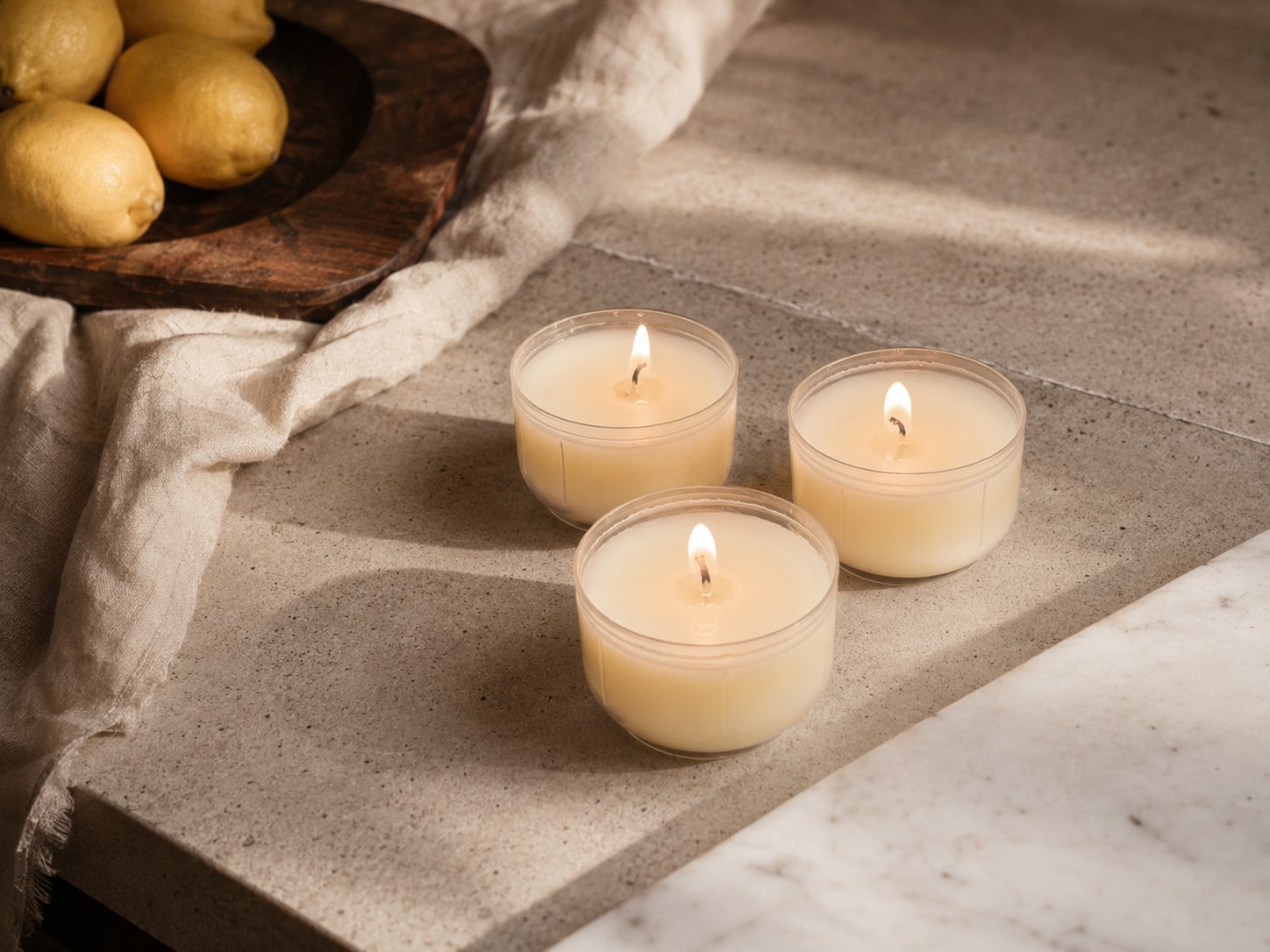
Rituals that bring you to your center. Natural candles, self-care rituals, and gifts for a peaceful moment.


How the day begins. Natural cosmetics and body care for a mindful morning.


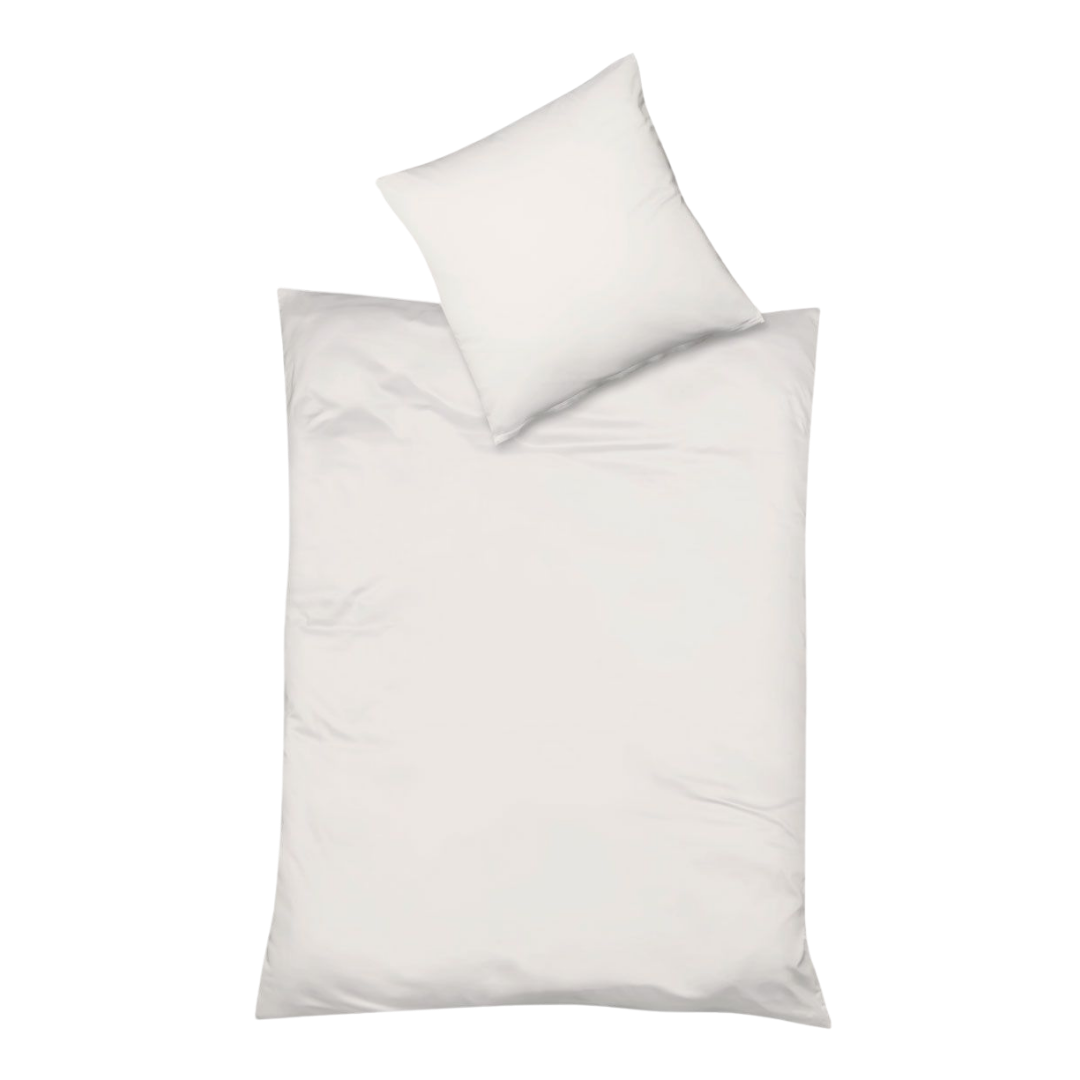
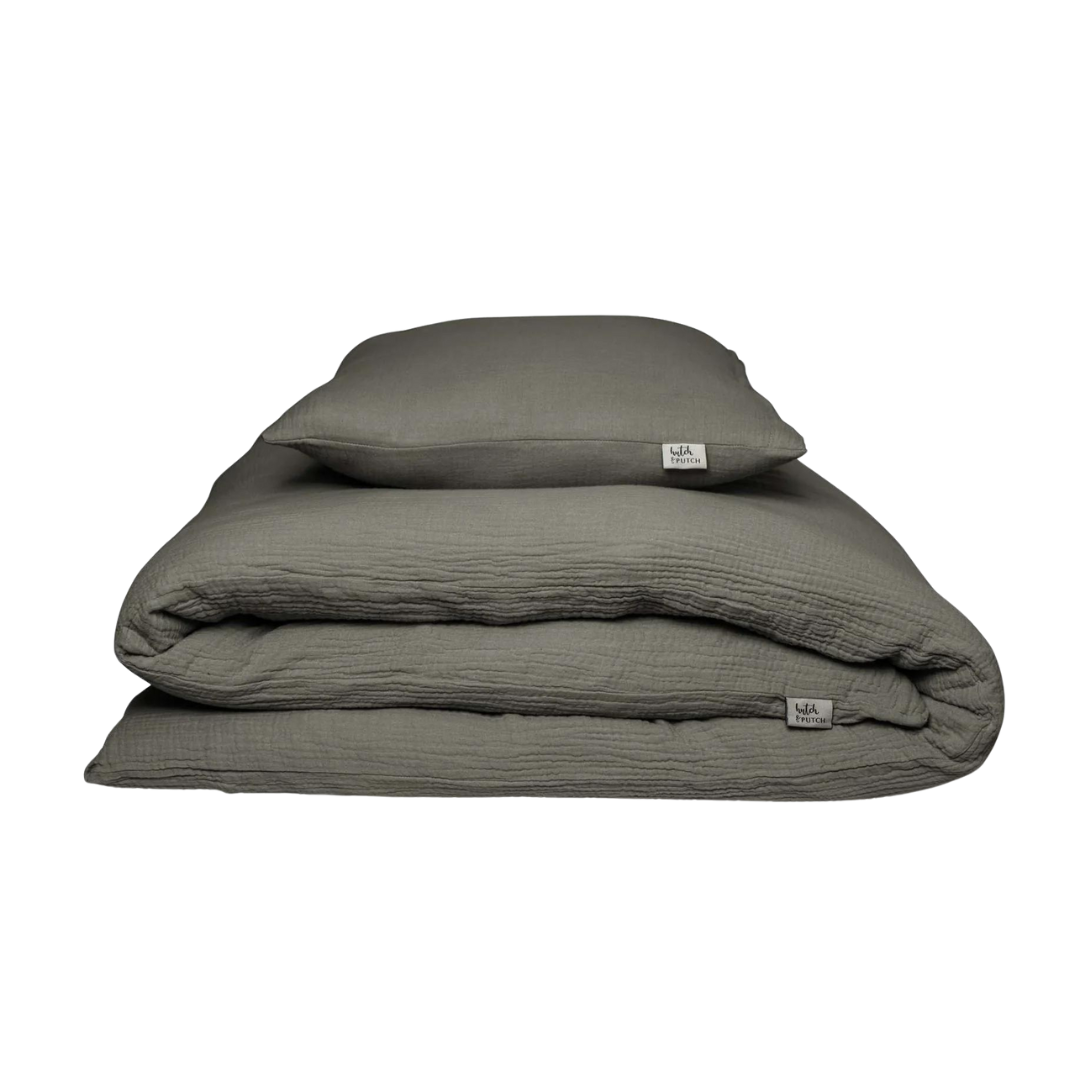
Feel wonderfully smooth. Organic bed linen and bedroom essentials made from natural materials.



Fewer promises. More knowledge.
Fewer promises. More knowledge.
Taiga Transparency works behind every product at Taiga. On the product page, it shows you only what a source supports: origin, material and certification, with a quotation, type of evidence and limitation. Twelve criteria across a product’s life, with no grade, no points and no comparison.


Best-Selling Products


"I'm developing Taiga into a place I would most trust myself."
Axel, Founder of Taiga
Our Blog Posts

Enamel or Stainless Steel Cookware: Which Is Better?
Enamel or stainless steel? What enamel is, how hard-wearing and hygienic glass on steel is, and how it compares with stainless steel, cast iron, copper and PTFE.

Organic Mattresses vs Conventional Latex Mattresses – Which Offers Better Comfort?
More and more people are embracing a sustainable lifestyle that extends beyond their diet to the way they live and sleep. When it comes to mattresses in particular, the question arises: are organic mattresses made from natural materials really better than conventional latex mattresses? What benefits do they offer for healthy sleep, and what are the differences? In today’s article, we explore whether sustainable organic mattresses are not only better for the environment, but also more comfortable. At Taiga Shopwe offer a wide range of eco-friendly mattresses, made from high-quality natural materials such as natural latex and coconut fibres. These mattresses combine eco-friendly properties with excellent sleeping comfort, offering a sustainable alternative to conventional latex mattresses. Find out why more and more people are switching to organic mattresses and the benefits they offer for your health, sustainability and long-term durability. Stay with us to discover how you can improve your sleep while also making a positive contribution to a sustainable home . What is latex? Material and production Latex is a natural, elastic material used in many products, including mattresses, rubber gloves and tyres. It is mainly obtained from the rubber tree (Hevea brasiliensis), although other plants, such as Russian dandelion, also offer a promising alternative for latex production. In this section, you will learn more about the difference between rubber and latex, the production process and the various sources from which natural rubber can be obtained. The difference between rubber and latex – what’s the difference? The terms rubber and latex are often used interchangeably, but there is an important difference. Latex is the milky fluid obtained from certain plants, particularly the rubber tree. Rubber, on the other hand, refers to the end product created after latex has been processed. Through vulcanisation – a chemical process in which latex is heated and mixed with sulphur – it is transformed into solid rubber. This gives rubber its characteristic elasticity and durability. The rubber tree (Hevea brasiliensis) – the main source of natural rubber The rubber tree (Hevea brasiliensis) originally comes from South America, particularly the Amazon region. Today, however, it is mainly cultivated in Southeast Asia, in countries such as Thailand, Indonesia and Malaysia. These regions have become the largest producers of natural rubber because their climate is ideal for cultivation. In South America itself, rubber tree cultivation is less widespread because of South American leaf blight (Microcyclus ulei), which severely damages the trees. The disease is not present in Southeast Asia, which is why production has shifted there. The sap of the rubber tree, known as latex, is obtained by tapping the bark. The tree then releases latex sap, which is collected and processed. This latex is obtained by tapping the tree, making an incision in the bark to collect the latex sap. This process is gentle on the tree and enables latex to be produced over the long term. It is estimated that around 14.5 million tonnes of natural rubber are produced worldwide each year, with most coming from tropical countries. Alternative raw material: Russian dandelion Alongside the rubber tree, Russian dandelion (Taraxacum koksaghyz) offers a sustainable alternative for latex production. This plant can also be cultivated in less fertile soils, is particularly robust and likewise produces natural rubber. The latex from Russian dandelion has a rubber content of around 30%, while the proportion in the dry root mass is between 5 and 10%. Unlike rubber trees, cultivating dandelions in the Northern Hemisphere could provide an ethically and environmentally sound resource for rubber production. Latex production: from harvesting to processing The production process for latex begins with harvesting the milky sap from the rubber tree. After tapping, the sap is cleaned and separated into its components. Latex can either be processed in its liquid form or converted into solid rubber through vulcanisation. In this process, sulphur is added to the latex and it is heated to give it the necessary elasticity and durability. Conventional latex mattresses – advantages and disadvantages Conventional latex mattresses are often made from a blend of natural and synthetic latex. Synthetic latex is produced from petrochemicals and offers elastic properties similar to those of natural latex, but is less environmentally friendly. One advantage of conventional latex mattresses is their high elasticity and durability: they adapt well to the body while providing stable support. They are ideal for people who prefer a medium-firm to firm sleeping surface. They are also generally more affordable than mattresses made entirely from natural latex. One disadvantage of conventional latex mattresses, however, is that they often contain chemicals and other artificial additives, which may concern environmentally conscious consumers. They are also less breathable than organic mattresses made from natural materials, which can create an uncomfortable sleeping climate, especially for people who sweat heavily. Organic mattresses: natural, sustainable sleep Organic mattresses are made from natural and ecological materials such as natural latex, coconut fibres and organic cotton. These mattresses are particularly environmentally friendly because their materials are biodegradable and sustainably produced. One major benefit of organic mattresses is that they are free from harmful chemicals, creating a healthy sleeping environment – ideal for people with allergies or sensitive skin. Another benefit of organic mattresses is their high breathability, as natural materials such as natural latex and coconut fibres allow good air circulation. This creates a pleasant sleeping climate and reduces moisture build-up inside the mattress. These mattresses also often provide excellent point elasticity, allowing them to adapt optimally to the body and relieve pressure on the spine. One possible drawback, however, is their higher price compared with conventional mattresses, as sustainably produced materials are more costly to manufacture. Latex mattresses compared – what is the difference? The main difference between conventional latex mattresses and organic latex mattresses lies in the origin and processing of the materials. While conventional latex mattresses often use a blend of synthetic and natural latex, organic mattresses are made exclusively from natural latex, extracted from the sap of the rubber tree. This makes eco-friendly mattresses not only better for the environment, but also healthier for the body, as they are free from synthetic chemicals. Another difference lies in breathability and sleeping comfort. The natural latex used in organic mattresses is naturally breathable, creating a better sleeping climate. By contrast, conventional latex mattresses containing synthetic materials may be less breathable, which can be particularly problematic on warm nights. Organic mattresses also offer better durability and sustainable production, while conventional latex mattresses are often cheaper but less environmentally friendly. Organic mattresses made from natural materials at Taiga Store If you are looking for an environmentally friendly yet comfortable night's sleep, organic mattresses made from natural materials are the perfect choice. At Taiga Store, we place great value on sustainable products that not only ensure restful sleep, but also exist in harmony with nature. Our organic mattresses are made from natural materials such as natural latex, coconut fibres and cotton, which are processed sustainably. One of the leading sustainable brands in our range is Prolana. This brand stands for outstanding quality and sustainability, and uses ecological production methods for its products. Prolana mattresses are made under fair conditions and contribute to a healthy, environmentally conscious lifestyle. Here are some of the best organic mattresses from the Taiga Store: SUPERIOR Natural latex mattress SANYA This particularly soft organic mattress offers exceptional comfort thanks to its 25 cm-thick layer of natural latex. Natural latex adapts perfectly to the contours of the body and provides pleasant pressure relief. The breathable properties of this natural material also promote a comfortable sleeping climate by regulating moisture and preventing heat build-up. This sustainable mattress is ideal for anyone looking for a soft, supportive sleeping surface. SCHLAF-LINE Natural and coconut latex mattress This sustainable mattress combines the elasticity of natural latex with the firmness of coconut latex. At 18 cm thick, it provides a firm sleeping surface that is particularly suitable for people who prefer stable support while sleeping. Natural air circulation through the coconut fibres keeps the organic mattress pleasantly cool and dry, creating an optimal sleeping climate. Coconut latex pram mattress LARS For little ones, this Prolana mattress made from coconut latex offers ideal sleeping comfort. The mattress is firm and stable, providing optimal support for the child's spine. At the same time, the breathable coconut latex creates a healthy and hygienic sleeping environment. The best sleeping comfort for you and the environment: with organic mattresses from ourEco Shopyou are choosing not only comfortable sleep, but also a sustainable and environmentally friendly alternative. Discover our selection and do something good for your body and nature.

What Makes Brands Sustainable?
In our Eco Shop you'll find a wide range of sustainable brands and products. Our carefully selected items carry trusted eco labels and give you confidence that you're making environmentally friendly choices. With Taiga Transparency you can see on every product page what information is available about a product, what it is based on and what it applies to. Have you ever wondered what really makes a brand sustainable? In this post on our Eco Blog we explore the key characteristics companies must meet to be considered sustainable. We also introduce some of our standout brands from our Eco Shop and show how they make their products responsibly and with the environment in mind. Let's explore together what makes a brand sustainable, why sustainability matters to businesses and how they can actively become more environmentally friendly! What makes a brand sustainable? A sustainable brand is more than just a label on a product; it represents a company that actively embraces environmentally friendly practices, social responsibility and the promotion of social justice. Sustainable brands are committed to protecting the environment by conserving resources, minimising waste and using renewable materials. These companies integrate sustainability into their business practices and strive to create a positive impact, both environmentally and socially. Sustainability means more than simply offering environmentally friendly products; it also involves taking a holistic view of business processes. According to Biesalski Company, sustainable brands are committed to promoting social justice and creating fair working conditions. This can be achieved through transparent supply chains, fair wages and compliance with strict environmental standards. An important aspect is the difference between a brand and a company. A brand is the image and perception that a product or service leaves with consumers. By contrast, a company is the organisation that produces those products or services. A sustainable brand can emerge from a company focused on environmental and social responsibility. However, not all companies are necessarily sustainable. The key lies in how the values of sustainability are integrated into the brand image and products. Why is sustainability important for businesses? Sustainability is crucial for businesses, as it not only helps protect the environment but also brings economic benefits. In an increasingly environmentally conscious society, consumers expect brands and companies to take responsibility. Studies show that companies, which prioritise sustainability, are among the most economically sustainable in Germany. Sustainability contributes to cost reduction . By optimising resources and minimising waste, companies can significantly reduce their operating costs. These companies are not only environmentally friendly but also profitable, securing long-term viability. Furthermore, a sustainable company policy can increase employee satisfaction and retention. Employees are increasingly motivated to work for companies that share their values and are committed to social and environmental issues. This creates a positive company culture and can reduce staff turnover. Another important point is that sustainable companies are better prepared for future challenges . With increasing legal requirements and pressure from consumers to offer environmentally friendly products, companies need to be flexible and adaptable. Investing in sustainability enables them to respond proactively to change. Overall, sustainability is not just a trend but a necessity for businesses that want to succeed in the long term. Companies that take sustainability seriously not only contribute to a better planet but also strengthen their own market position. When is a company sustainable? A company is considered sustainable when it integrates environmental, social and economic aspects into its business practices. Sustainability means more than simply offering environmentally friendly products; it also means taking responsibility for the impact of its actions. One key characteristic of sustainable companies is environmental responsibility. These companies minimise their environmental footprint by actively reducing CO₂ emissions and using renewable energy. They rely on resource-efficient production methods and implement waste prevention strategies. Alongside environmental responsibility, social responsibility is also of great importance. Sustainable companies are committed to fair working conditions and promoting social justice throughout their supply chains. This includes fair wages, ensuring safe workplaces and supporting the communities in which they operate. Another crucial criterion is economic stability. Companies need to operate profitably to maintain their social and environmental initiatives over the long term. A sustainable business strategy should be closely linked to financial goals to ensure that the company succeeds not only today but also in the future. Certifications and standards also play an important role. Many sustainable businesses are certified by external organisations to validate their sustainable practices. These certificates demonstrate that they meet specific environmental standards and social criteria, helping to build consumer trust. Finally, a sustainable company shows a commitment to continuous improvement. It is constantly looking for ways to optimise its processes and introduce innovations, whether in product development or through the use of new technologies. Overall, a company is sustainable when it actively contributes to improving society and the planet. This process requires constant adjustments and improvements to meet the challenges of a changing world. What are the key factors behind the success of sustainable brands? Sustainable brands face the challenge of holding their own in an increasingly competitive market. Their success depends on various key factors that enable them to stand out from the competition and win consumer trust. Here are the decisive factors driving the success of sustainable brands: Transparency: Sustainable brands must communicate openly about their manufacturing processes, supply chains and environmental practices. Transparent information builds trust and enables consumers to make informed decisions. Commitment to quality: Products from sustainable brands should meet the highest quality standards. Consumers are more likely to invest in sustainable products when they know they are durable and functional. Innovation in product development: The ability to develop innovative and environmentally friendly products is a key factor in success. Sustainable brands that offer creative solutions can gain a competitive advantage. A strong brand identity: A clear and appealing brand identity that embodies the values of sustainability is essential. A strong brand attracts customers who identify with its values. Customer engagement: Building a loyal customer base is essential for sustainable brands. By actively engaging and communicating with their customers, brands can gather feedback and improve continuously. Sustainable business models: Successful sustainable brands integrate sustainability into their entire business model. This includes choosing environmentally friendly materials, using sustainable production techniques and taking social aspects into account. Overall, these key factors are crucial to the success of sustainable brands. Companies that incorporate these elements into their strategy can not only strengthen their market position but also have a positive impact on the environment and society. Combining transparency, quality and a spirit of innovation enables sustainable brands to hold their own in the long term and gain consumer trust. Which brands and companies produce sustainably? More and more brands and companies around the world are adopting sustainable practices to minimise their environmental impact and take on social responsibility. Some of the most successful and best-known sustainable companies include: Patagonia is known for its commitment to environmental and social responsibility. The outdoor brand uses recycled materials and donates part of its revenue to environmental protection projects. Unilever pursues a sustainable corporate strategy and offers numerous products made with environmentally friendly materials. The company has committed to drastically reducing the environmental impact of its products by 2030. IKEA has committed to switching entirely to sustainable materials by 2030. The company focuses on recycling and has implemented various programmes to reduce waste and CO₂ emissions. Tesla is known for its electric vehicles, which aim to replace fossil fuels. The company also promotes renewable energy through its solar technologies and energy storage solutions. Toms follows a “One for One” model, donating a pair of shoes to children in need for every pair sold. The company places importance on ethical production practices and social responsibility. These brands show that sustainability can be successfully implemented across various industries. They integrate environmentally friendly practices into their business models, thereby contributing to a more sustainable future. In the next section, we will focus specifically on sustainable brands and companies in Germany and find out which German brands stand out for their sustainable practices. Sustainable brands in Germany In Germany, there are many brands that stand out for their commitment to sustainability. Among the most sustainable companies in Germany are, among others, Allianz, BMW, Puma and Rewe. These companies use environmentally friendly production methods, use organic raw materials and actively support social projects. We at Taiga also strive to be a sustainable company. Our aim is to provide our customers with transparent information about the sustainability of our products and support them in making conscious purchasing decisions. The advantages and disadvantages of sustainability for companies Implementing sustainability strategies has become a decisive factor for many companies seeking to remain competitive in the modern market. While sustainable practices offer numerous advantages, they also present challenges. Below, we have summarised the main advantages and disadvantages for you: Advantages: Improved image and brand loyalty: Companies that actively commit to sustainability strengthen their brand image and earn consumers' trust. A positive perception can increase customer loyalty. Cost savings: By optimising resources and reducing waste, companies can achieve significant cost savings, particularly through energy-efficiency measures. Access to new markets: Sustainable practices enable companies to reach new target groups and markets that value environmentally friendly and socially responsible products. Regulatory compliance: As legal requirements to reduce environmental impact increase, companies that proactively embrace sustainability can minimise legal risks. Employee satisfaction: A commitment to sustainability can increase employee retention and satisfaction, as many employees are proud to work for companies that share their values. Disadvantages: High initial costs: Implementing sustainable practices can involve high initial costs, for example for new technologies or changes to production processes. Complexity of implementation: Integrating sustainability into existing business models can be complex and often requires extensive training and adjustments to the organisational structure. Risk of greenwashing: Companies that use sustainability solely as a marketing tool risk being perceived as greenwashers, which can undermine consumer trust. Competitive disadvantages: In industries where not all competitors adopt sustainable practices, it can be difficult for companies to remain competitive, especially when sustainable solutions cost more. Market changes: Consumer trends can change quickly, and companies need to remain flexible and adaptable to respond to new sustainability requirements and expectations. Overall, choosing sustainable practices is a strategic decision that brings both opportunities and challenges. Companies that invest successfully in sustainability can not only increase their business success in the long term, but also make a positive contribution to society and the environment. Sustainable brands at Taiga As you probably know, only particularly sustainable companies feature in our Taiga Eco Store . The following brands stand out for their environmentally friendly products and social commitment: Riess offers high-quality enamel cookware made in Austria. In our Eco Shop, you'll find the CLASSIC Tortenform and the CLASSIC Holzknechtpfanne, both of which are known for their durability and functionality. Brabantia stands for sustainable household solutions. Particularly popular are the NewIcon Treteimer 30l and the Abfalleimer Bo Touch Bin 11l+23l, which impress with their timeless design and functionality. Güdeis known for hand-forged knives made from high-quality materials. Top products include the Brotmesser 32cm Alpha Fasseicheand theKochmesser 21 cm Alpha Fasseiche, which deliver excellent results both in the kitchen and when barbecuing. myfeltoffers handmade felt rugs made from natural materials. Particularly noteworthy are theMono Filzkugelteppich Rechteckigand theSteinoptik Filzkugelteppich Rund, which give your home a stylish and cosy atmosphere. KoMo offers an exclusive selection of high-quality grain mills and kitchen utensils. The Getreidemühle Fidibus 21 and the Einkammer-Getreidespeicher are ideal for anyone who values freshness and quality. These products make it easy to prepare and store fresh food in your own kitchen. The brandGood & Mojofocuses on sustainable lighting solutions. Highlights include theHängelampe Bhutan and theStehlampe Bali Bambus L, which are not only environmentally friendly but also real eye-catchers. Prolana offers a wide range of accessories to help you furnish your bedroom sustainably. This brand sells, among other things, organic pillows and eco mattresses. Particularly noteworthy are the SCHLAF-LINE Natur- und Kokoslatexmatratze and the Kamelflaumhaar-Schurwoll Duo-Winterdecke Carini, both of which are known for their high level of sustainability and comfort. The brand benuta is known for its diverse range of sustainable home accessories, including stylish eco rugs, poufs and blankets. The Wollteppich Bent Rund and the Wollteppich Rocco Rechteckig combine environmental friendliness with timeless design and blend seamlessly into any home. These brands reflect our commitment to sustainability. By selecting environmentally friendly products, we want to support you in making a positive contribution to the environment. With these brands from our Eco Shop you are actively contributing to an environmentally conscious lifestyle. Discover the benefits of their products now and choose sustainability in your everyday life!
Our Favorites